About All Tours 2-Day Overnight ToursFrom Drake Bay ToursFrom Puerto Jimenez ToursSirena Station ToursFrom Uvita ToursPrivate Tours Directions Hours & Fees
Find Tours 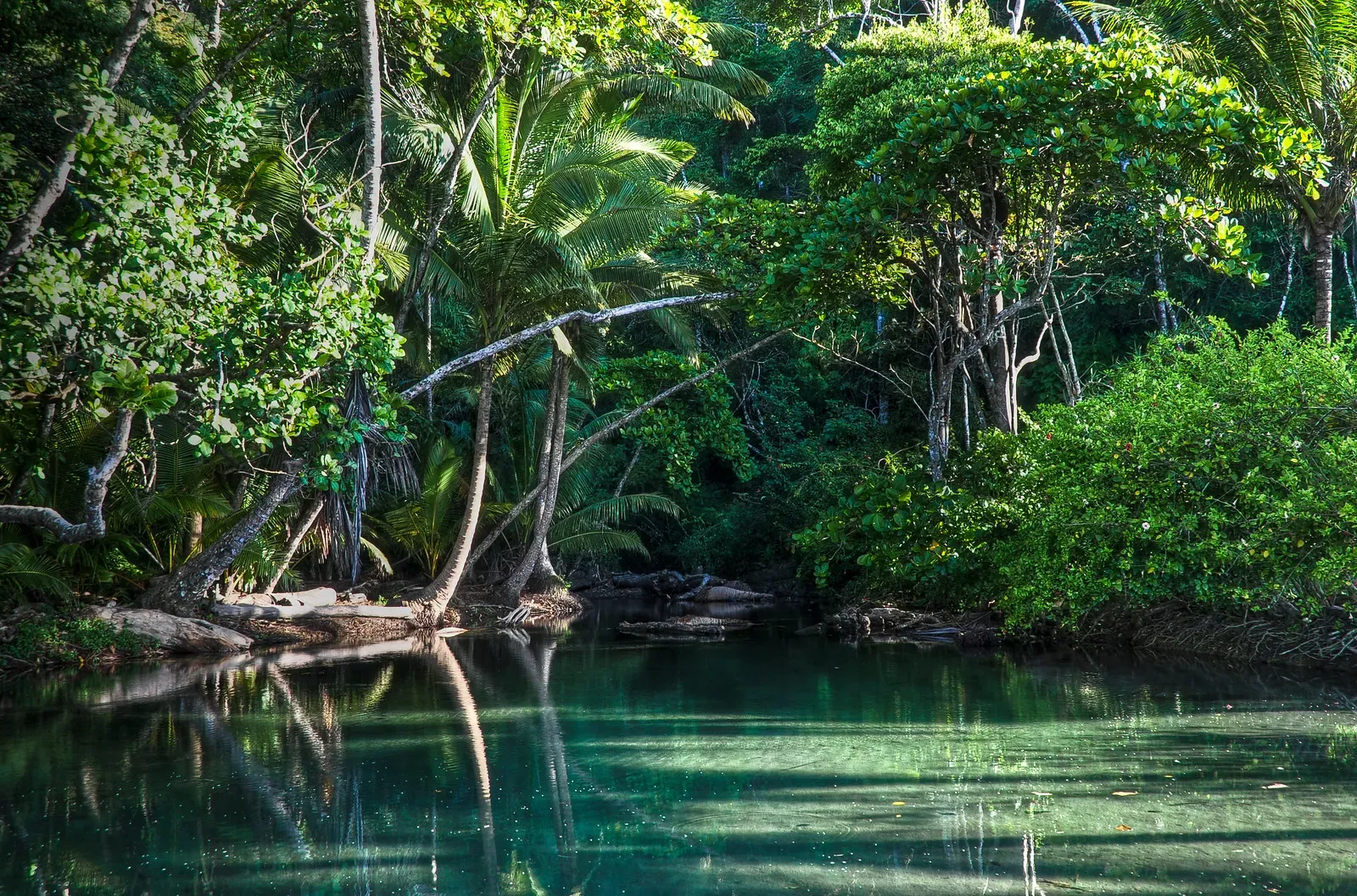
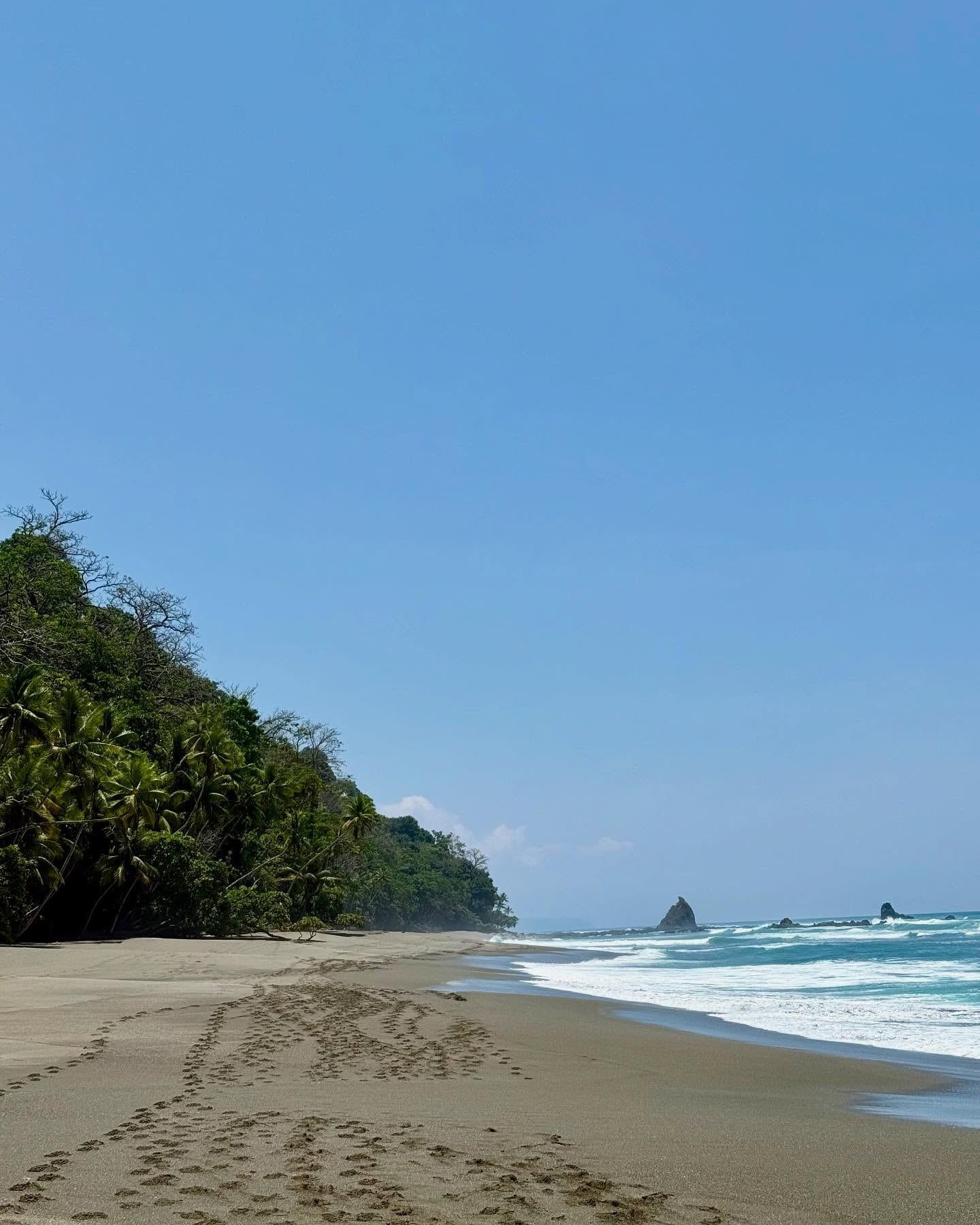
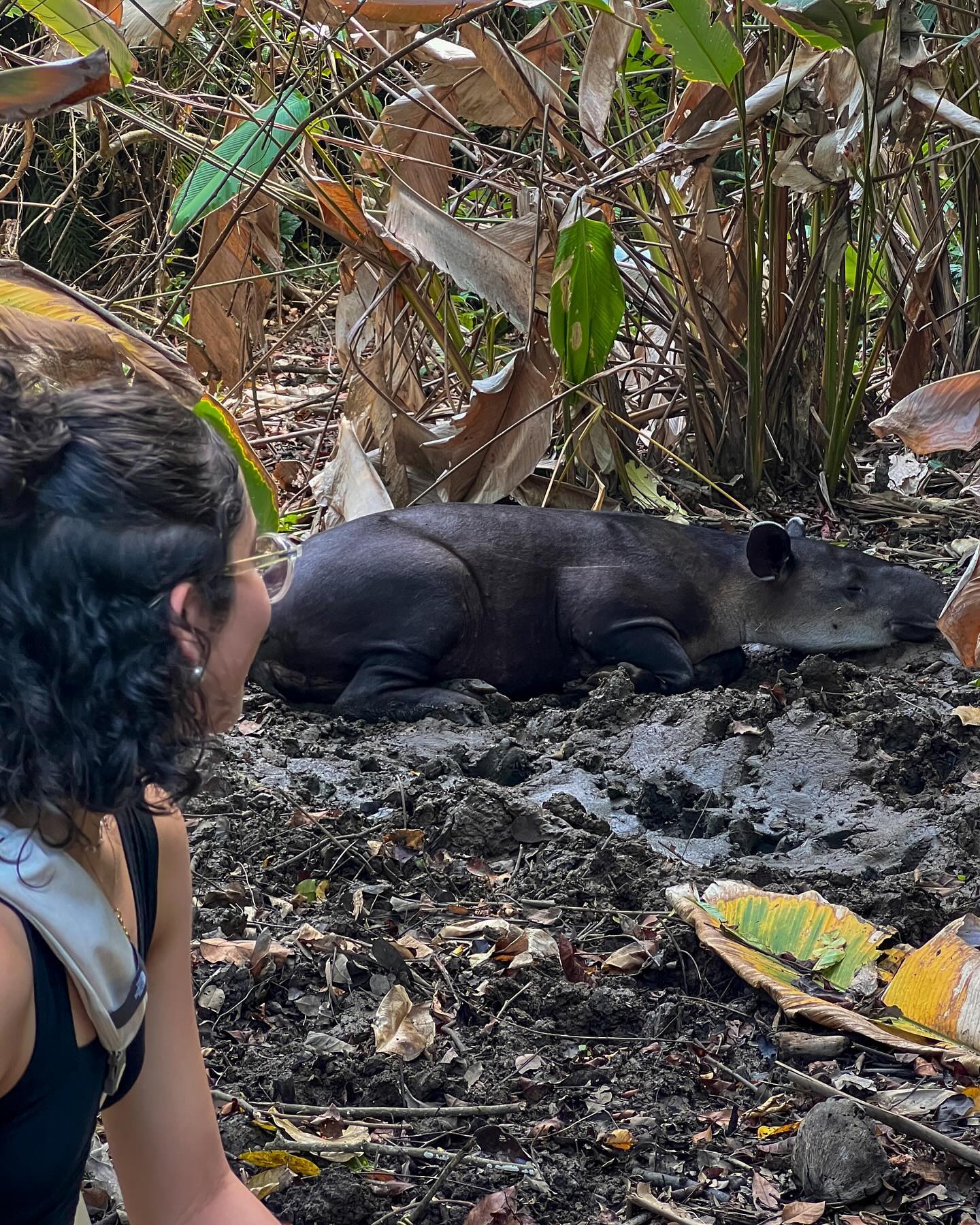
Spanning 424 square kilometers on the remote Osa Peninsula, Corcovado National Park protects 13 distinct ecosystems and 2.5% of the planet's biodiversity. Hikers navigate old-growth tropical wet forests to spot endangered Baird's tapirs grazing near the Sirena Ranger Station and watch scarlet macaws flying above 46 kilometers of sandy beaches.
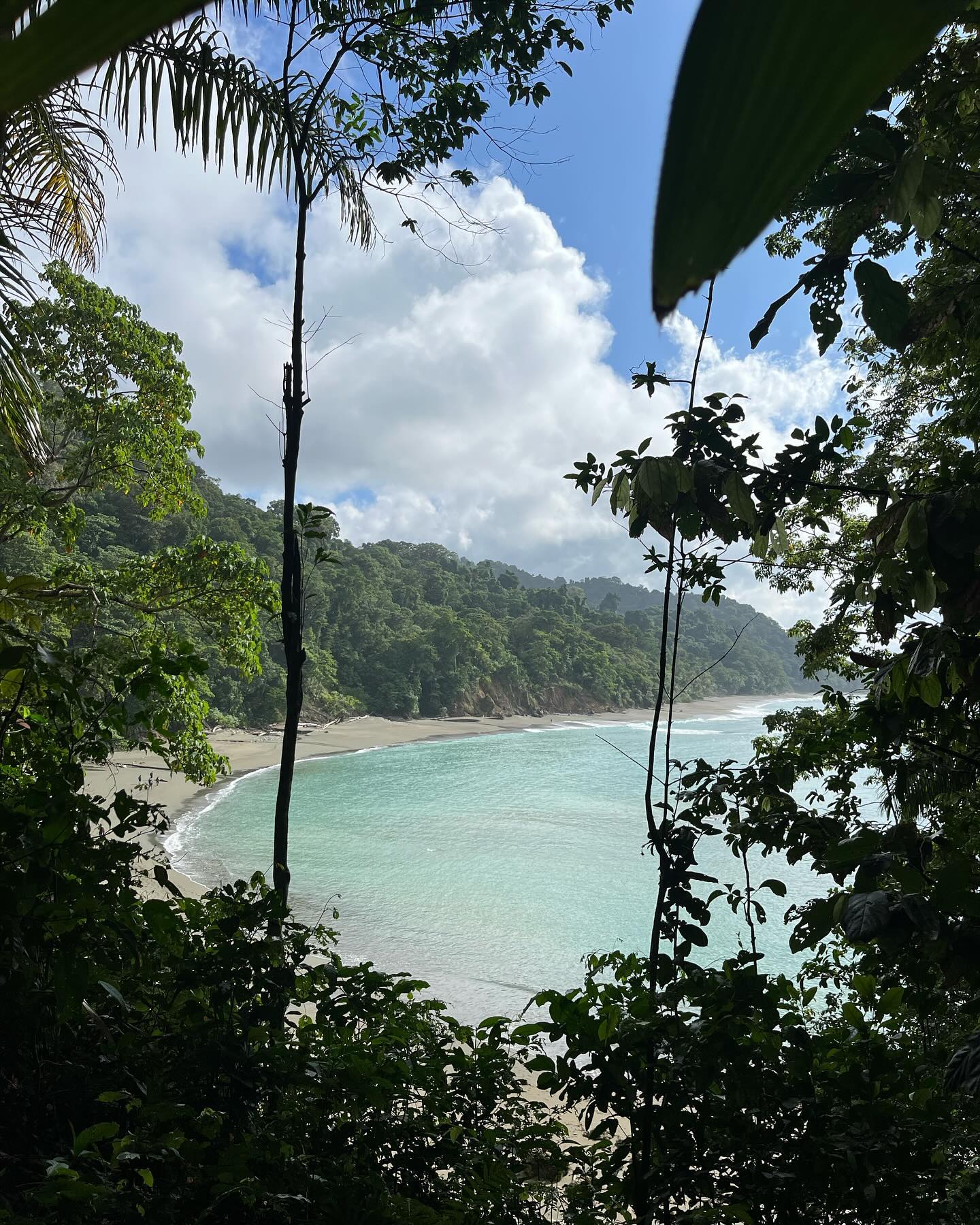
Find Guided ToursCorcovado National Park is Costa Rica's largest national park, covering 424 square kilometers (164 square miles) on the remote southwestern Osa Peninsula. The reserve protects an immense area of old-growth tropical wet forest, diverse coastal ecosystems, and 13 distinct habitats ranging from mangrove swamps to low-altitude cloud forests. Its physical landscape includes 46 kilometers of sandy beaches, shallow lagoons, and major waterways like the Rio Sirena and Rio Claro.
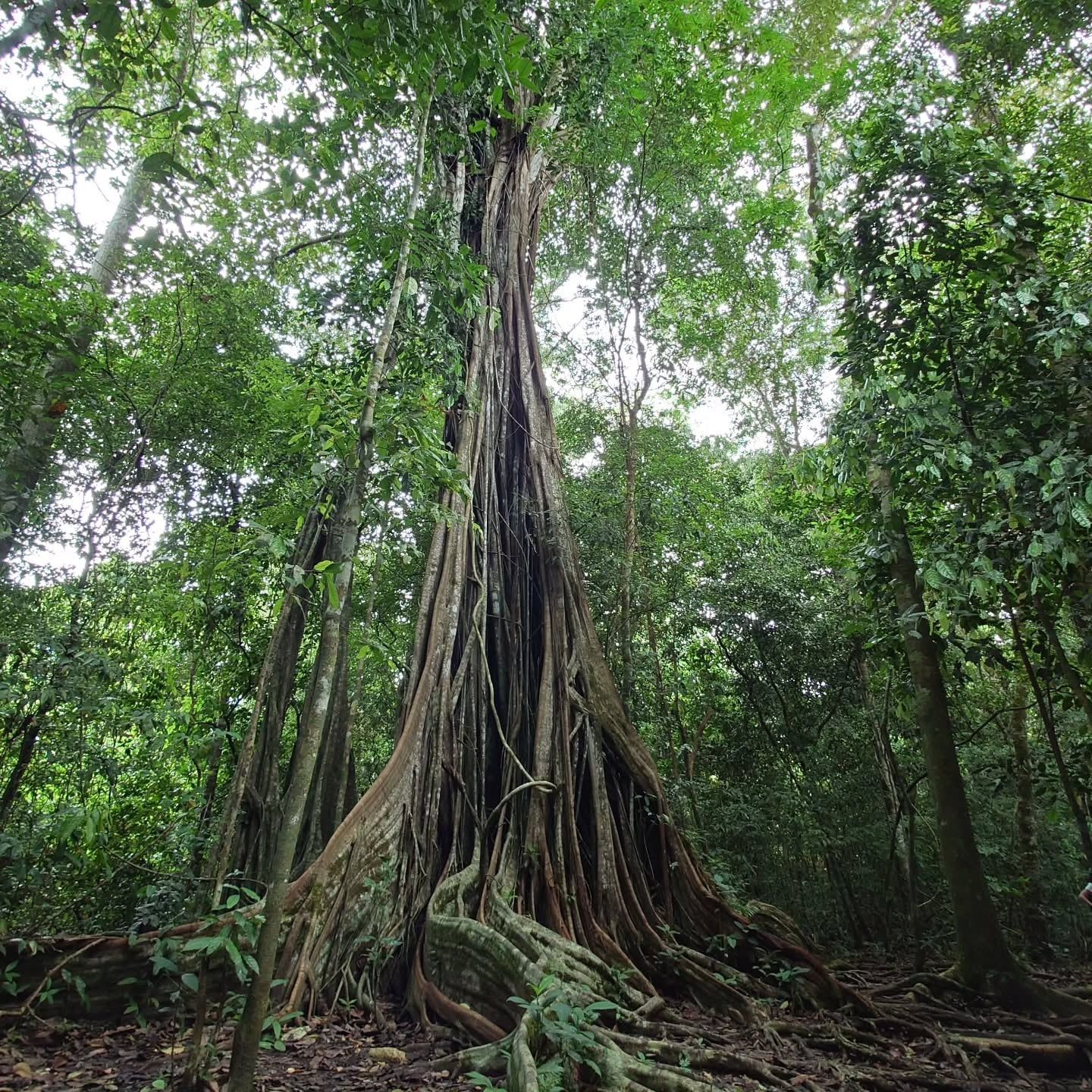
The park is widely recognized for its ecological density. National Geographic famously described Corcovado as "the most biologically intense place on Earth in terms of biodiversity." It contains 2.5% of the entire planet's biodiversity and provides habitat for over 50% of all wildlife species found in Costa Rica. The protected area preserves the largest primary forest on the American Pacific coastline, with emergent canopy trees reaching heights of over 200 feet.
Established on October 24, 1975, by President Daniel Oduber, Corcovado was the first Costa Rican park created solely on ecological and scientific merits. Prior to its formation, the Osa Peninsula supported a population of fewer than 7,000 people. The land faced severe environmental pressure from logging, cattle farming, and gold panning operations.
To secure the habitat, the government relocated approximately 300 farmers and their livestock to the eastern side of the peninsula in 1978. Park boundaries were subsequently expanded in 1978, 1980, and 1985. These expansions were critical to halting illegal gold mining and logging, ensuring the survival of one of the world's few remaining sizable lowland tropical forests.
Discover the full history and cultural significance on our About page.
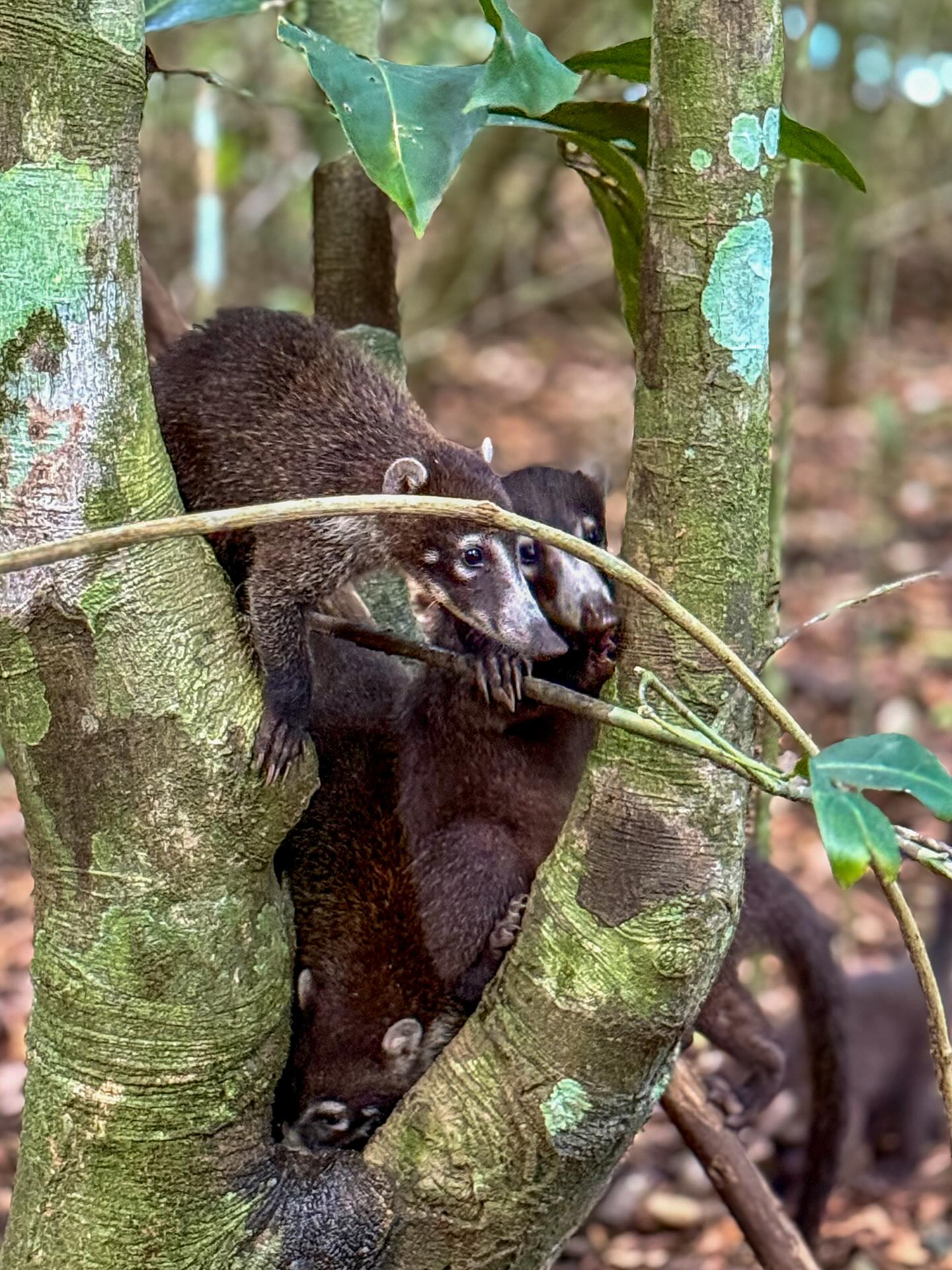
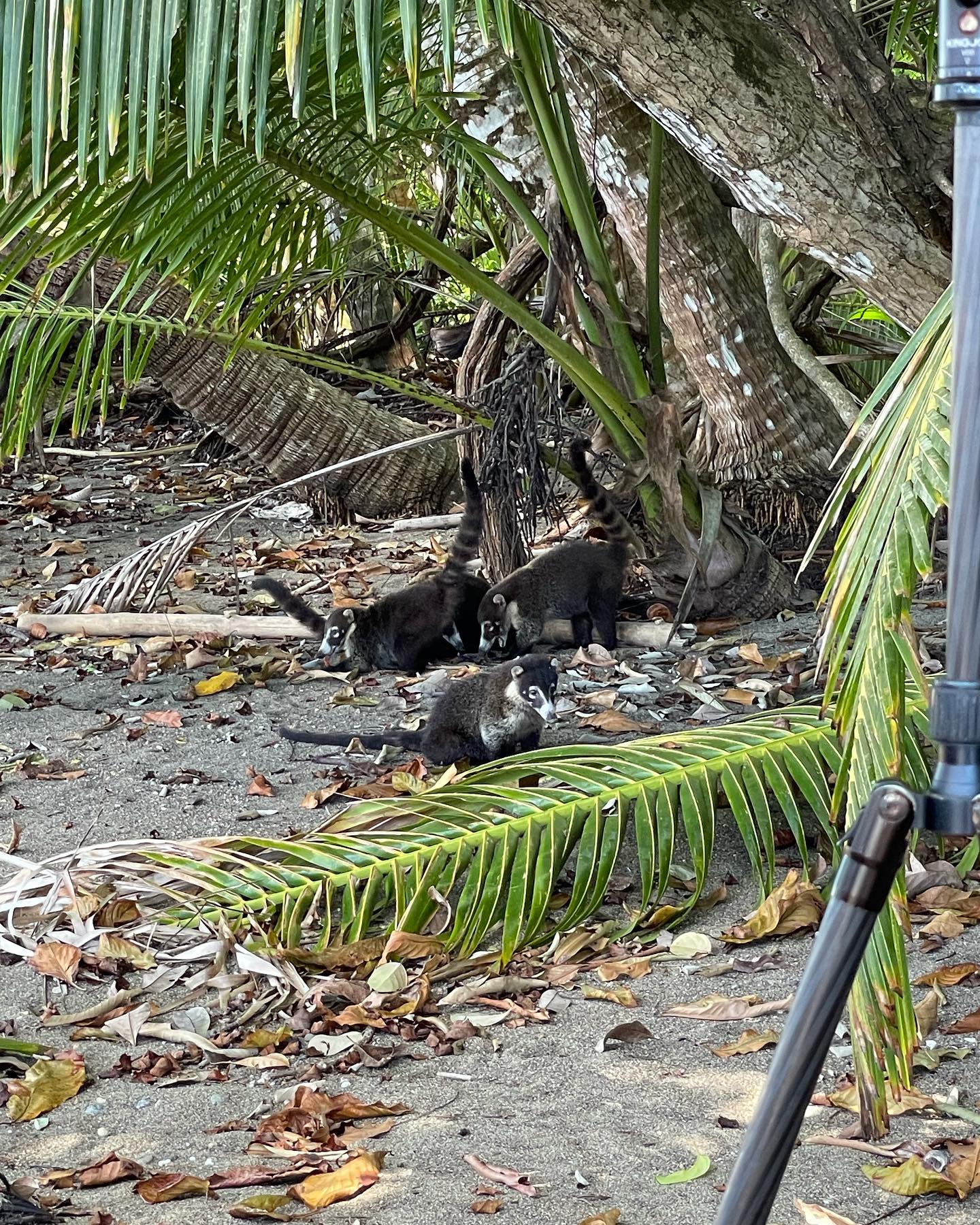
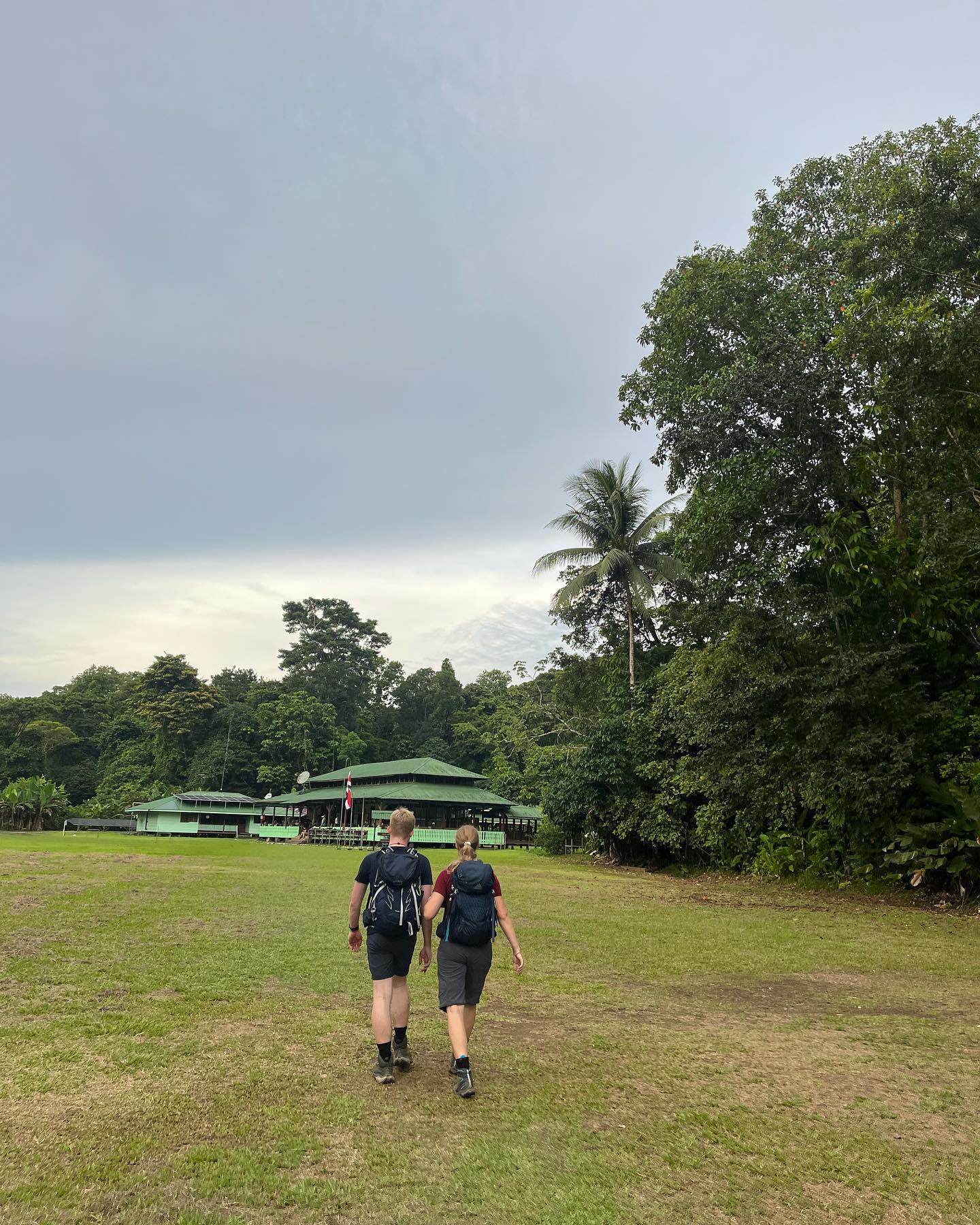
The remote Sirena sector provides reliable sightings of Costa Rica's four native monkey species, sloths, and anteaters. Guided walks around the station's flat trails frequently reveal endangered Baird's tapirs grazing directly on the grassy airstrip. Sirena enforces a strict daily limit of 100 visitors to protect this fragile habitat.
This challenging coastal trek connects the Sirena and La Leona ranger stations. The 17 to 20-kilometer route takes eight to 10 hours to complete one way. Hikers navigate through dense primary rainforest, cross rivers, and walk along deserted sandy beaches on the remote Osa Peninsula coastline.
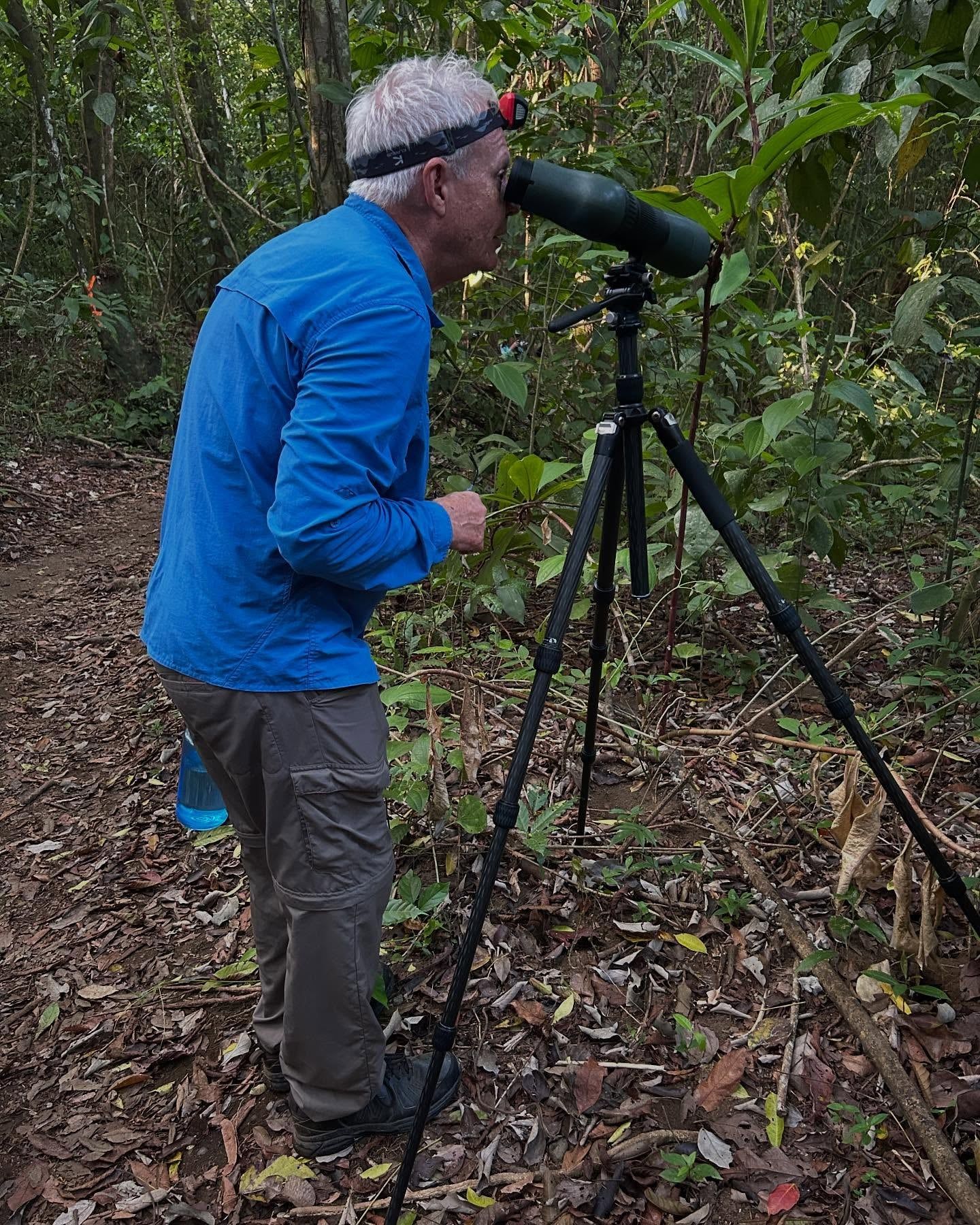
Corcovado records more than 400 distinct bird species within its boundaries. Guided excursions help visitors peer through the dense foliage to locate scarlet macaws, rare harpy eagles, and collared aracaris. Many of these birds nest in ancient emergent trees that grow over 200 feet tall.
Reaching the park entrance from Drake Bay requires a 30 to 40-minute coastal boat crossing. The ride provides clear views of the lush shoreline and opportunities to spot dolphins and humpback whales. The trip concludes with a wet beach landing directly at the ranger station.
Hand-picked tours with free cancellation and verified reviews

 Likely to Sell Out 48h
  Likely to Sell Out 48h
  9h
9h  8h
8h  8h
8h  Free Cancellation 5h
  Free Cancellation 8h
 The optimal time to visit Corcovado National Park is during the dry season from January to April. These months provide the least amount of rain, resulting in stable weather patterns and highly accessible hiking trails.
March and April provide excellent dry conditions and clear trails. May shifts into the wet season with heavy rain, though the entire period aligns with prime whale-watching opportunities.
Consistent heavy precipitation defines these wet season months. The basic dirt trails become unrecognizable and muddy, while swollen rivers make necessary water crossings dangerous or completely impassable.
The intense green season continues with substantial rainfall. Hiking is severely compromised as paths turn to thick mud, and high water levels create hazardous conditions at river crossings.
December closes out the wet season, but January and February bring minimal rain and stable weather. February is exceptionally ideal for navigating the park's rugged primary rainforest terrain.
Corcovado National Park is open daily from 8:00 AM to 4:00 PM. Arriving early is highly recommended to maximize exploration time.
| Category | Price |
|---|---|
| International Adult | $15 USD per day |
| International Child (Ages 2 to 12) | $5 USD per day |
| Costa Rican Resident Child (Ages 2 to 12) | ₡500 per day |
| Overnight Stay Permit (Sirena Ranger Station) | Approximately $350 USD per person |
Advance permits are strictly required for all visitors and must be secured through the SINAC online system or a licensed tour operator. The popular Sirena Ranger Station enforces a strict daily limit of 100 permits, requiring reservations at least 60 days in advance during the dry season. All visitors must be accompanied by a licensed, certified naturalist guide, as independent hiking is illegal.
For complete schedules and ticket prices, visit our Hours & Fees page.
Reaching Corcovado National Park requires careful planning, with routes departing primarily from San José. Visitors can choose between a quick domestic flight, a combined bus and boat route, or driving a 4x4 vehicle.
📍 Not specified
Flying is the quickest way to reach the park's northern gateway. Sansa operates flights one to two times daily from San José to Drake Bay or Puerto Jiménez. Passengers face a strict 30-pound luggage limit per person. Because seats fill quickly, you should book at least 60 days in advance during the dry season.
This route starts with a four-hour Tracopa bus ride from the terminal on Avenida 10 in San José to Sierpe. From there, passengers walk five minutes to Oleaje Sereno to board a public boat to Drake Bay. The boat ride through the mangroves departs daily at 11:30 AM and 3:45 PM.
Drivers must navigate from San José to Chacarita and take Route 223 to Rincón. The route crosses the new Paso de la Danta bridge before entering the final leg. This last section involves 2.5 hours on unpaved gravel roads. A 4x4 vehicle is completely mandatory since heavy rain makes the roads impassable outside the dry season.
For detailed transport options and routes, visit our Directions page.
The park enforces a strict daily limit of 100 visitors at the popular Sirena Ranger Station. You must secure your permits and mandatory guide reservations at least 60 days in advance. This is especially critical if you plan to visit during the peak dry season.
Bringing outside food or snacks into the park is strictly prohibited. Rangers will check your bags upon arrival and confiscate any unauthorized items. Eat a hearty breakfast before entering the park boundaries. If you need a meal, purchase food exclusively at the Sirena Ranger Station shop.
Single-use plastic bottles are banned inside the park boundaries to prevent pollution. You must bring a reusable water bottle for your visit. Carry at least two liters of water per person. The tropical heat and high humidity can cause rapid dehydration during long hikes.
Boats and small charter planes accessing the park enforce strict weight restrictions. Sansa flights specifically impose a rigid 30-pound luggage limit per passenger. Leave your main suitcases securely at your gateway hotel. Bring only a lightweight daypack containing your absolute essentials for the trails.
Arriving by boat requires a wet beach landing where ocean waves can easily splash over the sides. Hiking the interior trails also involves frequent river crossings that require wading. Secure your cameras, phones, binoculars, and spare clothing in a high-quality waterproof sack to prevent water damage.
Sturdy, broken-in hiking boots or closed-toe trail shoes are mandatory for walking the park's muddy, basic dirt trails. Sandals are completely unsafe for navigating the rugged rainforest terrain. Pack a separate pair of sandals to wear during boat rides and while resting at the ranger station.
This marine reserve is a premier snorkeling and diving destination featuring crystal-clear waters and coral reefs. Visitors swim alongside sea turtles, manta rays, and reef sharks.
This calm gulf provides optimal conditions for kayaking and paddleboarding among diverse marine life. Seasonal migrations bring dolphins and humpback whales, while night tours showcase glowing bioluminescence.
Located just outside the 424-square-kilometer national park boundaries, this coastal area features pristine beaches and cruisy surf breaks. Travelers come here for world-class surfing and additional wildlife viewing opportunities.
Read what travelers share about their experience visiting Corcovado National Park — from practical tips to personal highlights.
Yes, hiring a certified naturalist guide is mandatory for all visitors. Independent hiking has been illegal since 2014 to protect the fragile ecosystem and ensure visitor safety. You must also secure advance permits through the SINAC online system or a licensed tour operator.
The daily entrance fee is $15 USD for international adults and $5 USD for non-resident children aged 2 to 12. Overnight stays at the Sirena Ranger Station require advanced permits and typically cost around $350 per person.
The dry season from January to April is the best time to visit, with February offering the most stable weather and highly accessible trails. Avoid the wet season from May to December, as heavy precipitation can make trails unrecognizable and river crossings impassable.
You can take a 50-minute Sansa flight from San José for $130 to $170 USD, but note the strict 30-pound luggage limit. Alternatively, take a 4-hour Tracopa bus to Sierpe for $15 USD, followed by a 1-hour public boat ride to Drake Bay for $25 USD.
No, bringing outside food or snacks into the park is strictly prohibited, and rangers will check your bags upon arrival. The only exception is water carried in reusable bottles, and you should bring at least 2 liters per person to manage the intense heat.
The 424-square-kilometer park is highly inaccessible for wheelchair users due to its rugged primary rainforest terrain and lack of paved paths or ramps. The trail system consists of basic dirt paths through dense vegetation and requires frequent wading through streams and rivers.
You should secure your park entry and guide reservations at least 60 days in advance, especially during the dry season. The popular Sirena Ranger Station enforces a strict daily visitor quota of just 100 people, causing permits to sell out rapidly.
Closed-toe shoes or sturdy hiking boots are mandatory for walking the park's rugged trails, which typically involve 10 to 12 kilometers of hiking during a day trip. Sandals are entirely inappropriate for hiking, though you should pack a separate pair to wear during wet boat landings.
Browse verified tours with free cancellation and instant confirmation.
Find Tours