About All Tours2-Day Overnight ToursFrom Drake Bay ToursFrom Puerto Jimenez ToursSirena Station ToursFrom Uvita ToursPrivate Tours Directions Hours & Fees
Find Tours 
Discover the incredible biodiversity of Corcovado National Park with guided day trips and multi-day jungle expeditions. Choose from remote hikes, wildlife observation tours, and scenic boat rides departing from Drake Bay, Puerto Jiménez, and Uvita.

Boat along the Pacific coast to Corcovado’s Sirena station for a guided day hike to spot tapirs and monkeys.
 Likely to Sell Out
 Explore the deep jungles of Corcovado, a wildlife-rich rainforest that National Geographic experts call home.
 Likely to Sell Out
 Explore Corcovado’s wildlife at Sirena and walk through the 4,000-year-old primary rainforest of San Pedrillo.

A challenging 20km trek through Corcovado’s wildest primary forests with river swims and off-trail exploration.

Observe tapirs and scarlet macaws on a small-group boat tour to Corcovado’s remote Sirena Ranger Station.

A guided rainforest expedition from Playa Uvita featuring a scenic boat ride, whale watching, and a 3.5-hour hike.
 Free Cancellation
 Visit Rio's two most famous peaks, Corcovado and Sugarloaf Mountain, to see the city from above in a single day.
 Free Cancellation
 Look for whales, dolphins, and rainforest wildlife on a full-day boat and hiking expedition from Uvita.
 Free Cancellation
 Guided wildlife tours through Corcovado’s primary rainforest to see tapirs, macaws, and rare Pacific ecosystems.
 Free Cancellation
 Explore Corcovado’s remote La Leona sector on foot from Puerto Jiménez to see tapirs, macaws, and monkeys.
Read what travelers share about their experience visiting Corcovado National Park — from practical tips to personal highlights.
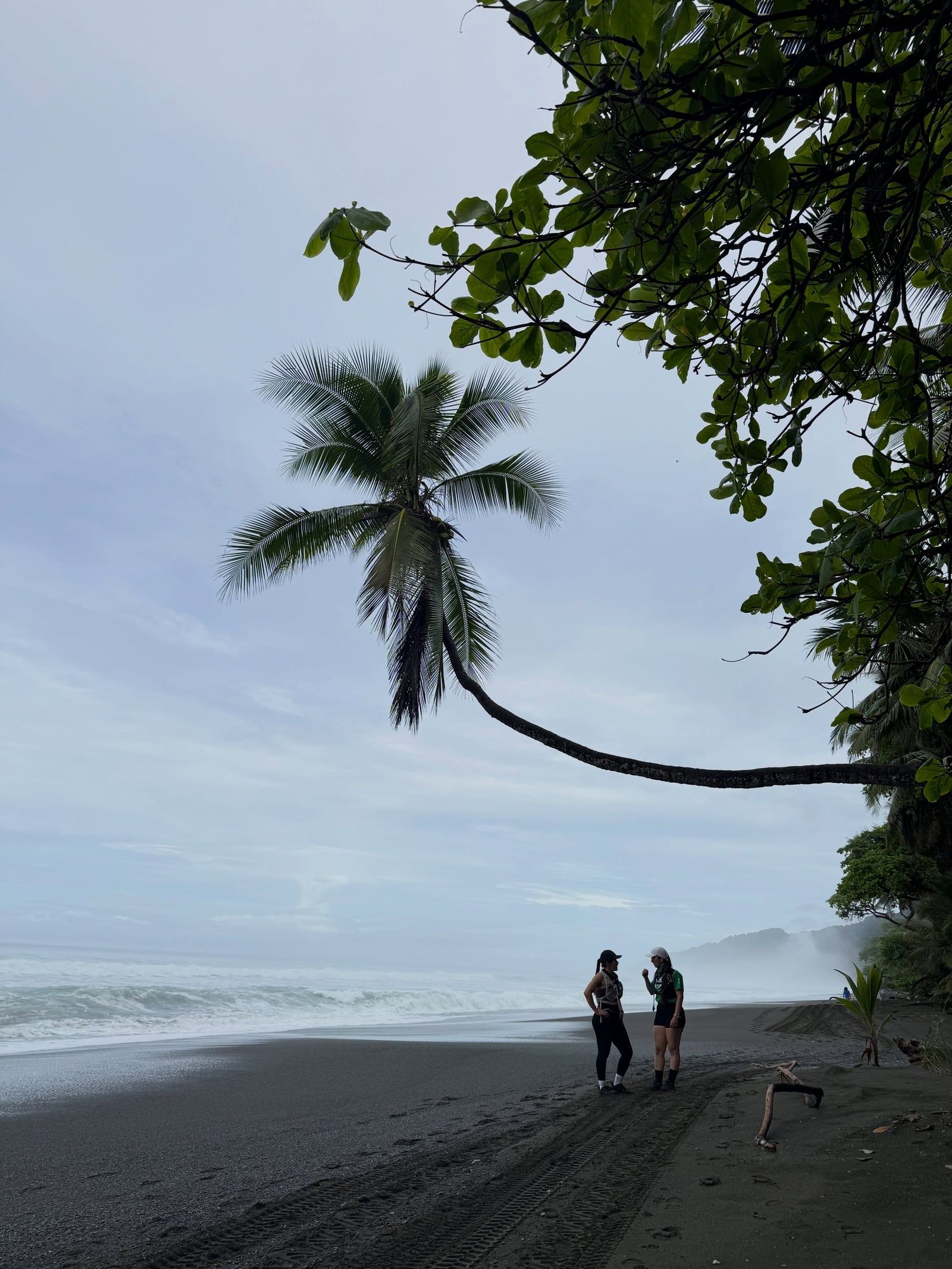
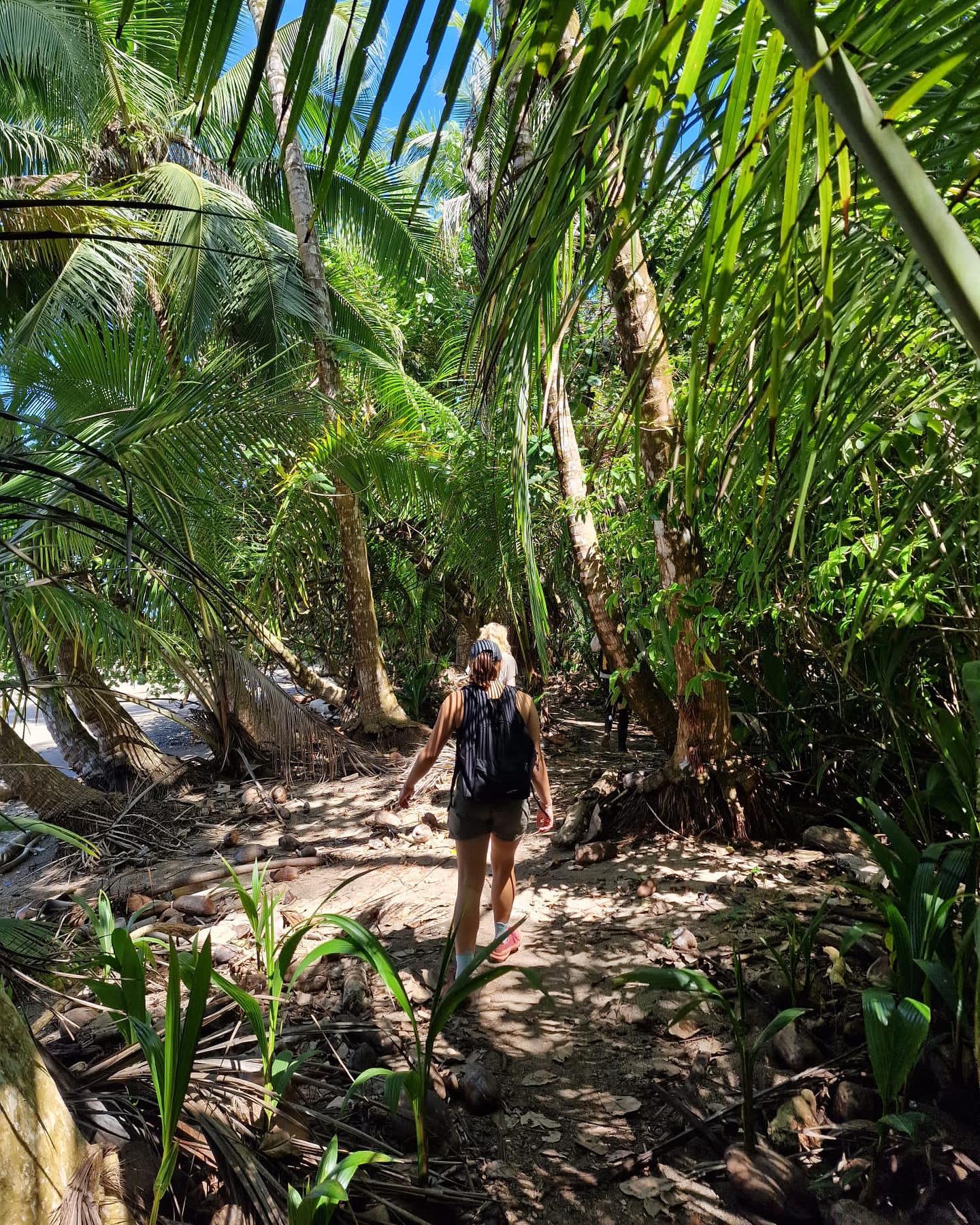
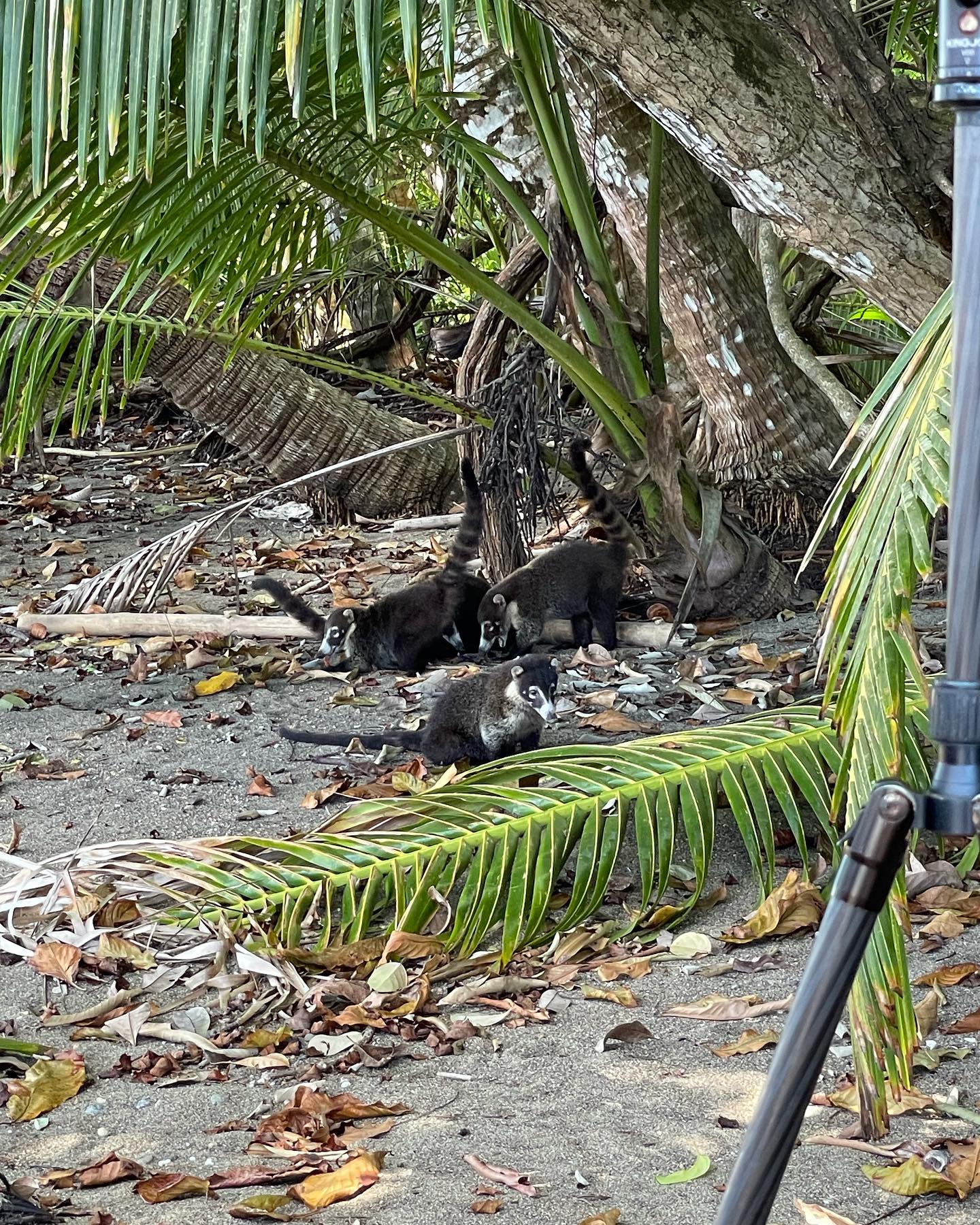
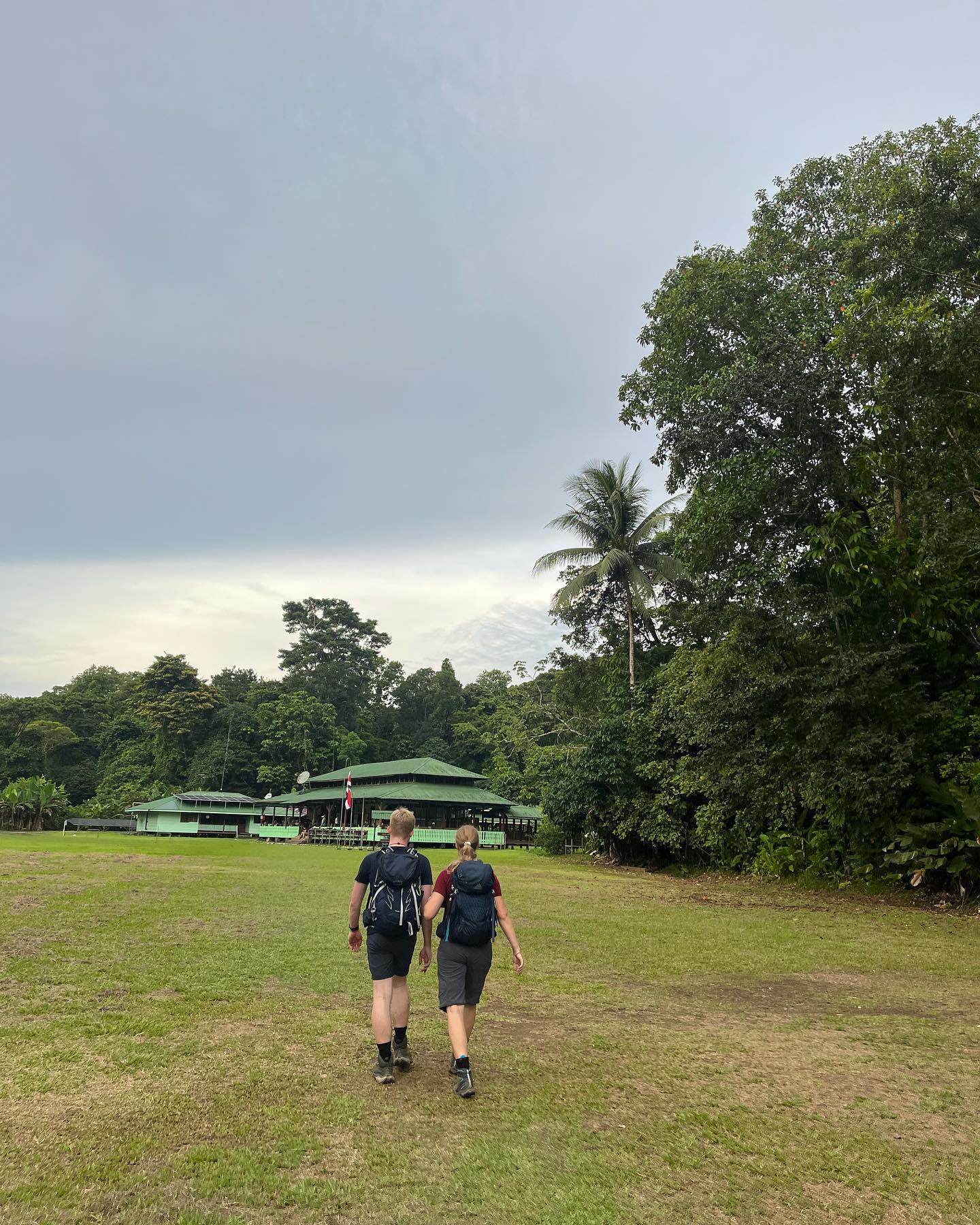
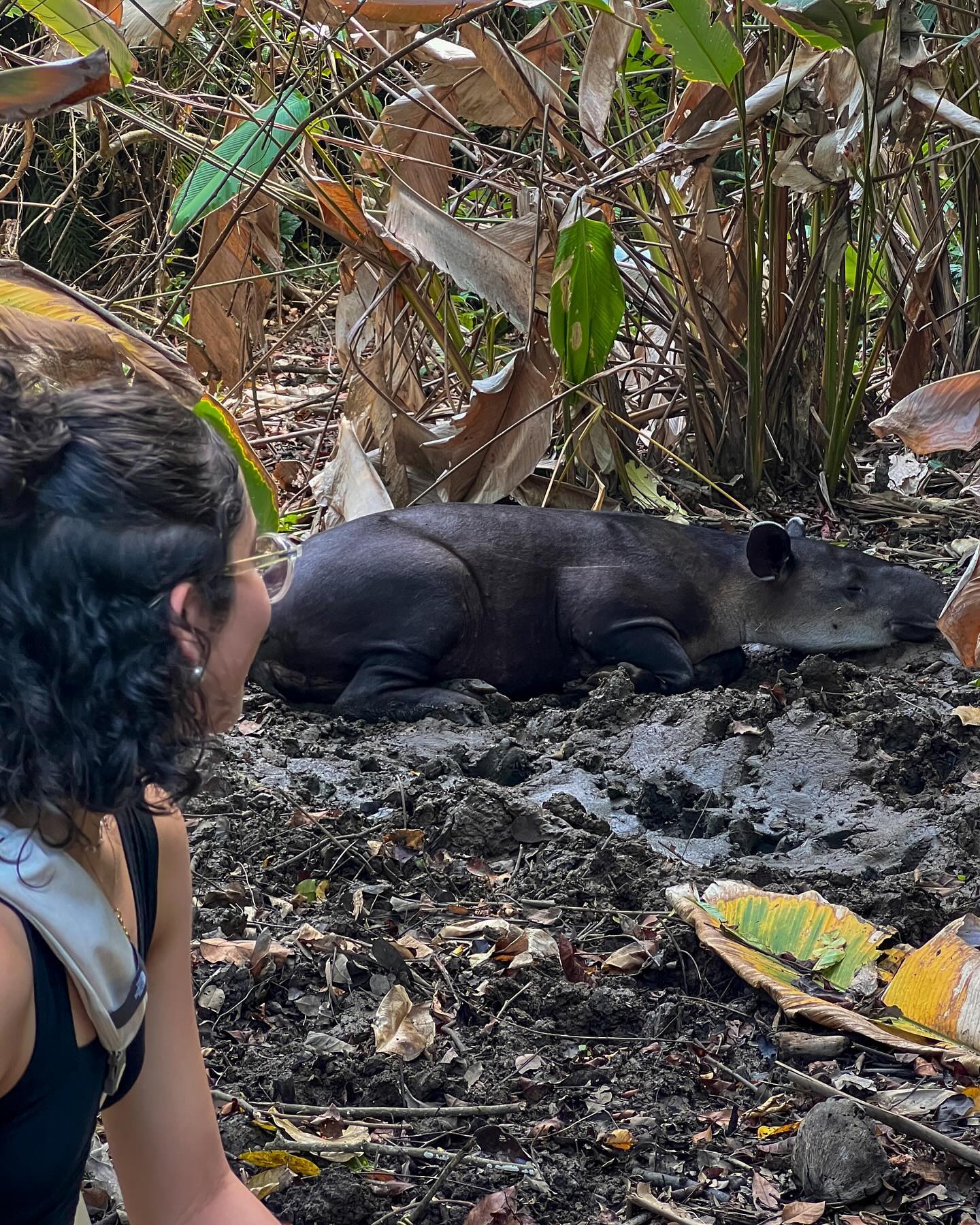
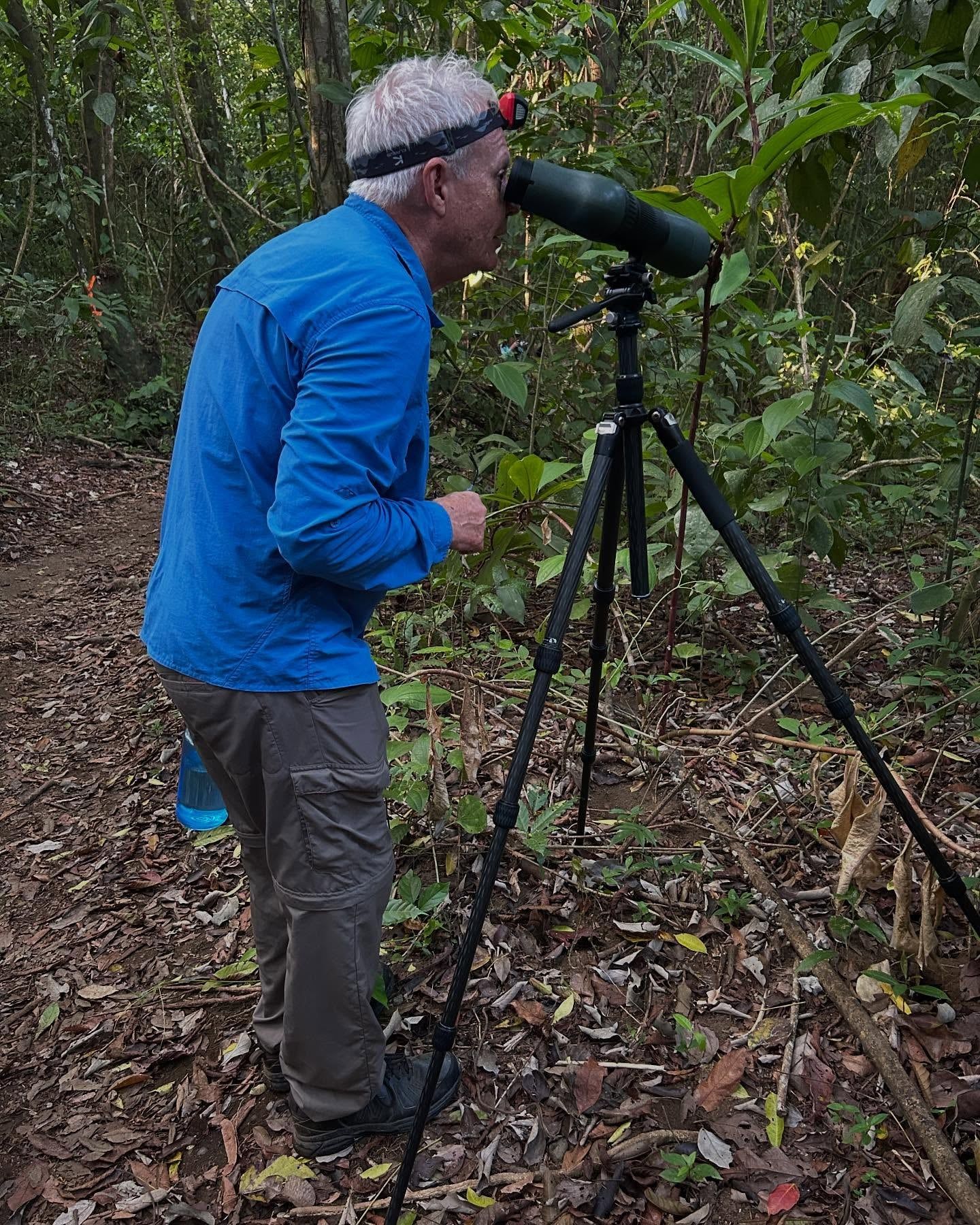
Visiting Corcovado National Park offers an unparalleled immersion into one of the most biodiverse places on Earth. Exploring this remote Costa Rican jungle means navigating rugged trails, experiencing thrilling boat arrivals, and spotting rare wildlife in their natural habitat alongside expert local guides.
This remote outpost is the heart of the park's wildlife viewing. Flat trails around the station offer reliable sightings of all four native monkey species and endangered Baird's tapirs grazing near the airstrip.
Most tours begin with a scenic coastal boat ride from Drake Bay or Uvita. Arriving at the park involves an exciting wet beach landing where you jump directly into the shallow surf.
Located in the northern sector, this area features spectacular waterfalls hidden deep in the old-growth forest. Hikers are rewarded with refreshing swims in crystal-clear natural rock pools.
For those seeking a physical challenge, the trails connecting stations like La Leona involve intense 8-to-10-hour hikes through dense primary rainforest and along deserted sandy beaches.
With over 400 recorded bird species, the canopy is alive with color. Your guide's spotting scope will help you find vibrant scarlet macaws, rare harpy eagles, and collared aracaris.
Some excursions include kayaking through the park's unique mangrove ecosystems. It is a peaceful way to view aquatic life and escape the intense heat of the open hiking trails.
Planning a trip to Corcovado requires careful preparation due to strict environmental regulations and its remote location. Here is exactly what you need to know before securing your tour.
You cannot hike in Corcovado independently. Since 2014, all visitors must be accompanied by a licensed, certified naturalist guide to protect the fragile ecosystem and ensure your safety.
The popular Sirena Ranger Station has a strict daily limit of 100 visitors. Permits sell out incredibly fast, so you must book your tour at least 60 days in advance, especially during the dry season.
Bringing outside food or snacks into the park is completely illegal, and bags are checked upon arrival. You can only bring water in reusable bottles, as single-use plastics are also banned.
Options range from 8-hour day trips focusing on wildlife or waterfalls, to immersive 2-day overnight stays at the Sirena Station. Overnight tours include basic dormitory lodging and meals.
The environment is demanding. Even flat trails involve intense heat, high humidity, and muddy conditions. Coastal hikes require crossing rivers and walking 18 to 20 kilometers.
Closed-toe hiking shoes or trail runners are strictly mandatory for walking the trails. You will also need a separate pair of sandals or water shoes for the wet boat landings.
Most guided tours include the $15 USD daily park entrance fee, boat transportation, and lunch. Always check the specific inclusions, as overnight tours will also cover your lodging and extra meals.
The park is highly inaccessible for wheelchair users or those with mobility issues. The terrain consists of basic dirt paths, dense vegetation, and river crossings that require wading.
Swipe to see more
| Full-Day Sirena Station Tour | 2-Day Overnight Adventure | San Pedrillo Waterfall Hike | La Leona Coastal Trek | |
|---|---|---|---|---|
| Duration | 8-9 hours | 48 hours | 8 hours | 10 hours |
| Best for | First-time visitors wanting maximum wildlife sightings | Immersive jungle experience and early morning wildlife | Scenery, waterfalls, and coastal views from Uvita | Active hikers wanting a serious physical challenge |
| Includes | Boat transport, guide, park fees, lunch | Lodging, all meals, guide, permits, boat ride | Boat ride, guide, entrance ticket, snacks, lunch | Guide, admission fees, optical equipment |
| Price from | $110 USD | $365 USD | $168 USD | $175 USD |
Swipe to see more
Corcovado National Park is open to visitors daily from 8:00 AM to 4:00 PM.
Because the park is vast and the tropical heat peaks in the afternoon, visitors are highly encouraged to start their tours as early as possible. Most guided boat tours depart from gateway towns like Drake Bay or Puerto Jiménez between 6:00 AM and 7:30 AM to ensure you arrive right when the park opens.
Overnight guests staying at the Sirena Ranger Station have the advantage of experiencing the jungle during the early morning and late afternoon hours when wildlife is most active.
Reaching Corcovado requires some planning, as it is located on the remote Osa Peninsula. There are three main ways to get to the park gateways:
The best time to visit Corcovado National Park is during the dry season, which runs from January to April.
During these months, the region receives the least amount of rain, resulting in stable weather and accessible hiking trails. February is widely considered the best month for optimal weather. Visiting between February and May also aligns with prime whale-watching opportunities on your boat ride to the park.
It is highly recommended to avoid the wet season from May to December. Heavy rains turn the trails into deep mud, making them incredibly difficult to navigate. Swollen rivers can also make necessary trail crossings dangerous or completely impassable.
Corcovado National Park is highly inaccessible for wheelchair users and those with severe mobility limitations.
The park's infrastructure is intentionally minimal to protect the primary rainforest. There are no paved paths, ramps, or specialized wheelchair services. The trail system consists entirely of basic dirt paths through dense vegetation, often requiring visitors to wade through streams and rivers.
Elderly visitors and families with young children should carefully consider the demanding physical environment. The intense heat, high humidity, and wet beach landings make the trip strenuous. Less adventurous visitors might prefer viewing the coastline from a boat tour rather than hiking the interior.
Tourist facilities inside Corcovado National Park are extremely limited, reflecting its status as a pristine ecological reserve.
To protect the 2.5% of global biodiversity found here, the park enforces very strict rules that all visitors must follow:
Yes, hiring a certified naturalist guide has been strictly mandatory for all visitors since 2014. You cannot enter the park independently or hike unsupervised, as this rule protects the fragile ecosystem and ensures visitor safety.
Most organized day tours and overnight packages include the $15 USD daily park entrance fee in their total price. However, you should always verify the inclusions section of your specific tour before booking to be sure.
No, visitors are strictly prohibited from bringing outside food or snacks into the park, and bags are checked upon arrival. The only exception is water carried in reusable bottles.
You should book your tour at least 60 days in advance, especially if traveling between December and April. The popular Sirena Ranger Station has a strict daily limit of 100 visitors, and permits sell out very quickly.
Closed-toe shoes or sturdy hiking boots are mandatory for walking the park's rugged trails. You should also pack a separate pair of sandals or water shoes to wear during the wet beach landings from the boat.
No, Corcovado National Park is highly inaccessible for wheelchair users. The terrain consists of basic dirt trails, dense vegetation, and frequent river crossings that require wading.
Yes, overnight stays are permitted exclusively at the Sirena Ranger Station, which features basic dormitory lodging. A 2-day overnight tour package typically costs between $315 and $400 USD per person.
Tours departing from Drake Bay or Uvita involve a scenic coastal boat ride that takes anywhere from 30 to 90 minutes. Arriving at the park requires a wet beach landing, so you will need to jump into shallow water.
Yes, the park's rivers are home to American crocodiles, and bull sharks are known to enter the Rio Sirena during high tide. Always follow your guide's instructions and never cross rivers without their approval.
The best time to visit is during the dry season from January to April, with February offering the most stable weather. The wet season (May to December) brings heavy rains that make trails muddy and river crossings dangerous.
Browse verified tours with free cancellation and instant confirmation.
Find Tours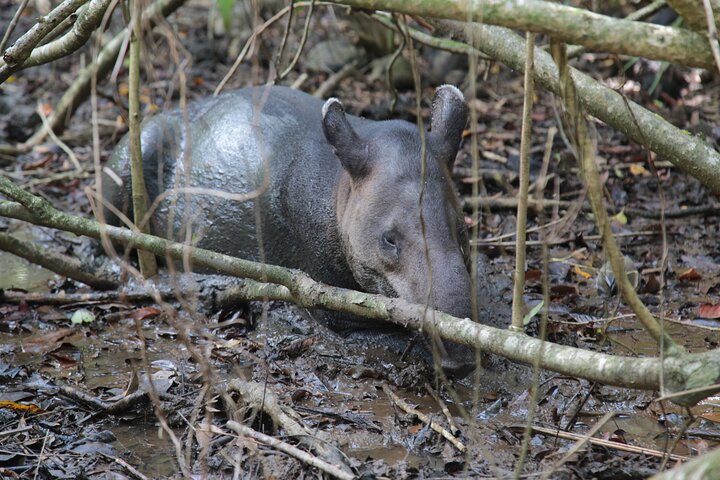

Your journey begins with a one-hour boat ride along the South Pacific coastline to the Sirena Ranger Station. This remote outpost serves as the gateway to the interior of Corcovado National Park, a region known for its dense rainforest and rugged terrain. Once on land, a guide will lead you through the forest to search for local wildlife, including tapirs, monkeys, and peccaries. This full-day tour is designed to provide a direct experience with Costa Rica's most remote wilderness. The package includes all necessary logistics: boat transportation, park entrance fees, a professional guide, hiking, and lunch.
All sales are final. No refund is available for cancellations.
English, Spanish


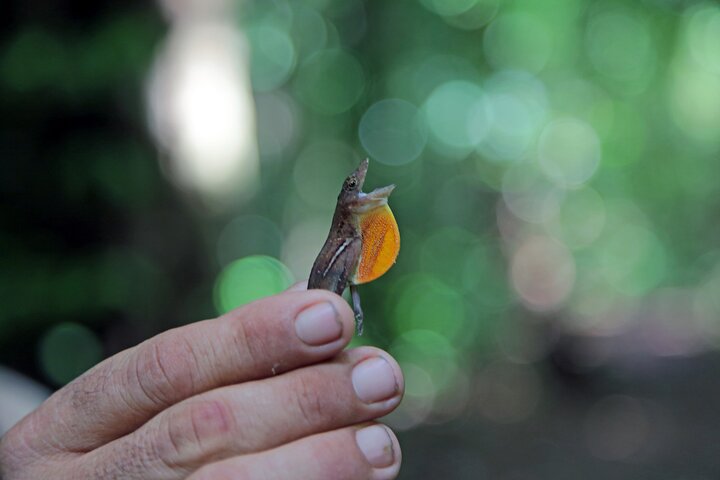
Corcovado National Park is widely considered the crown jewel of Costa Rica’s natural landscape. Often called the 'Amazon of Costa Rica,' this park is a primary destination for National Geographic biologists and photographers due to its high concentration of biodiversity. Because the park is so expansive, a single day tour is rarely enough to fully appreciate the depth of its ecosystems. As you hike through the dense jungle, you are likely to encounter a wide variety of wildlife in their natural habitat. The trails lead through old-growth forests where tapirs, scarlet macaws, and four species of monkeys are frequently spotted. It is an immersive environment where the sights and sounds of the rainforest change with every step, offering a direct look at one of the most biologically intense places on Earth.
All sales are final. No refund is available for cancellations.
English, Spanish


This tour visits two distinct areas of Corcovado National Park to showcase the park's ecological diversity. At the Sirena station, the focus is on wildlife observation within a secondary forest. This area was cleared decades ago but has spent the last 47 years regenerating, offering a clear view of how the jungle recovers and supports local fauna. In contrast, the visit to San Pedrillo explores a completely untouched primary rainforest. This ecosystem has remained undisturbed for over 4,000 years, characterized by massive ancient trees and a complex biological structure. By visiting both sites, you get a complete perspective on the different stages of growth and preservation within the park.
All sales are final. No refund is available for cancellations.
English, Spanish


This full-day expedition covers 18 to 20 kilometers through the heart of Corcovado National Park. Unlike standard tours, we focus on navigating less-traveled paths to reach the most remote sections of the jungle. You will hike through a mix of primary and secondary forests, observing the distinct ecosystems and wildlife that thrive in these undisturbed areas. The day includes opportunities to cool off with a swim in the river and at a local waterfall. The tour begins at 6:00 AM and typically concludes between 3:00 PM and 4:00 PM. Because of the distance and terrain, this experience is designed for those who prefer a physically demanding trek and want to see the park beyond the main tourist trails.
All sales are final. No refund is available for cancellations.
English, Spanish


Travel by boat from Puerto Jiménez to the Sirena Ranger Station for a guided day exploring the remote interior of Corcovado National Park. This area is known for its high concentration of wildlife, and the primary focus of the trek is observing animals in their natural habitat. With a maximum of six people per group, the tour allows for a quieter approach to the jungle trails. This increases the chances of seeing elusive species like the Baird’s tapir, as well as sloths, multiple types of monkeys, and tropical birds such as toucans and scarlet macaws. A certified local guide leads the excursion, providing context on the rainforest’s ecology and helping navigate the station’s trail system. This trip offers a direct look at the biodiversity of Central America’s largest coastal rainforest.
All sales are final. No refund is available for cancellations.
English, French, Spanish


Your day starts at Playa Uvita with a 90-minute boat ride across the Pacific. During the transit, keep an eye on the water for dolphins and sea turtles; if you are visiting between January and April, you may also spot migrating humpback whales. Once you reach the park, a professional naturalist guide will lead you on a 3.5-hour hike through the rainforest trails and permitted walking areas. While on the trails, the guide will help you identify the region's diverse wildlife, including howler monkeys, scarlet macaws, and tapirs, as well as various reptiles and tropical birds. After the trek, you will have time to rest and eat lunch before boarding the boat for the return trip to Playa Uvita.
All sales are final. No refund is available for cancellations.
English, Spanish

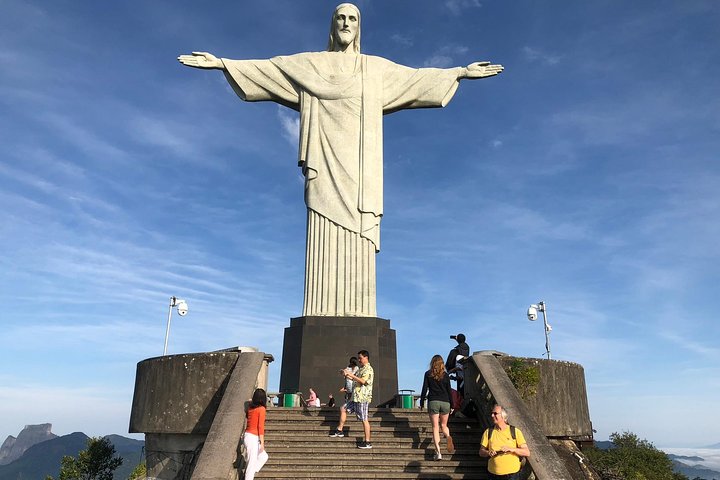

This tour covers Rio de Janeiro's two most prominent landmarks in a single outing. The day begins with a trip to the summit of Corcovado Mountain to see the Christ the Redeemer statue. From this height, you can see across the city center, the southern beaches, and the surrounding Tijuca Forest. The second part of the trip visits Sugarloaf Mountain at the mouth of Guanabara Bay. You will take two separate cable cars to reach the summit, stopping first at Morro da Urca. The top offers a clear view of the coastline, the harbor, and the city skyline, making it an efficient way to orient yourself with Rio’s geography.
For a full refund, cancel at least 24 hours before the scheduled departure time.
Portuguese, English, Spanish


This 6-to-8-hour tour departs from the Whale’s Tail in Bahía Ballena, Uvita. The day begins with a boat ride along the Pacific coast where you may see dolphins, sea turtles, or whales depending on the season. Once on land, a guide leads a 1.5-to-3-hour hike through the jungle to look for monkeys, scarlet macaws, and tapirs. A local lunch is provided before the return boat trip along the Costa Ballena coastline. National park permits are strictly limited and require passport details in advance to secure a booking. If the park reaches its daily capacity, the tour will visit Campanario Biological Station instead. This private reserve is located less than two miles from Corcovado and offers the same rainforest environment and wildlife species. Please note that no refunds are issued if the tour is moved to this alternative location.
For a full refund, cancel at least 24 hours before the scheduled departure time.
English, Spanish


Corcovado National Park on the Osa Peninsula contains the American Pacific's largest primary forest and roughly 2.5% of global biodiversity. Across its 13 ecosystems, visitors can find endangered species including tapirs, scarlet macaws, squirrel monkeys, and white-lipped peccaries. Entry requires a certified guide, and visitors can choose between single-day trips to various stations or overnight stays at the Sirena Biological Station for up to five days. To reach Sirena on foot, hikers can take the 20km La Leona trail from Carate (7-9 hours) or the 24km Los Patos trail from La Palma (8-10 hours). The Los Patos route is recommended for experienced hikers during the dry season due to multiple river crossings through primary and secondary forest. Access to these trailheads is available via 4WD rental, public transport, or taxi from Puerto Jimenez. For a more direct route, boat transfers run from Drake Bay (1 hour) or Puerto Jimenez (1.5 hours) directly to the Sirena station. These boat options are better suited for families or those with limited time. While the park features several entry points like San Pedrillo and Dos Brazos de Río Tigre, the Sirena station remains the primary hub for observing the park's most famous wildlife.
For a full refund, cancel at least 24 hours before the scheduled departure time.
English, Spanish


This day hike enters Corcovado National Park through the La Leona station, making it a practical choice for those based in Puerto Jiménez who want to avoid long boat trips to Sirena. You will travel by land to the park entrance to begin a guided trek through a biodiverse coastal forest that transitions between the beach and primary jungle. The trail follows the coastline and moves inland where wildlife encounters are frequent. Because this sector sees fewer daily visitors than other parts of the park, the experience is quiet and focused on nature. It is common to spot all four species of Costa Rican monkeys, scarlet macaws, and coatis along the path. With a bit of luck, you may even see a Baird’s tapir resting near the shaded riverbeds. Groups are kept small to minimize the impact on the environment and allow for better wildlife viewing. Your guide will help identify tracks and bird calls while sharing specific insights into the local ecosystem, ensuring you see more than you would on your own.
For a full refund, cancel at least 24 hours before the scheduled departure time.
English, Spanish