About All Tours2-Day Overnight ToursFrom Drake Bay ToursFrom Puerto Jimenez ToursSirena Station ToursFrom Uvita ToursPrivate Tours Directions Hours & Fees
Find Tours 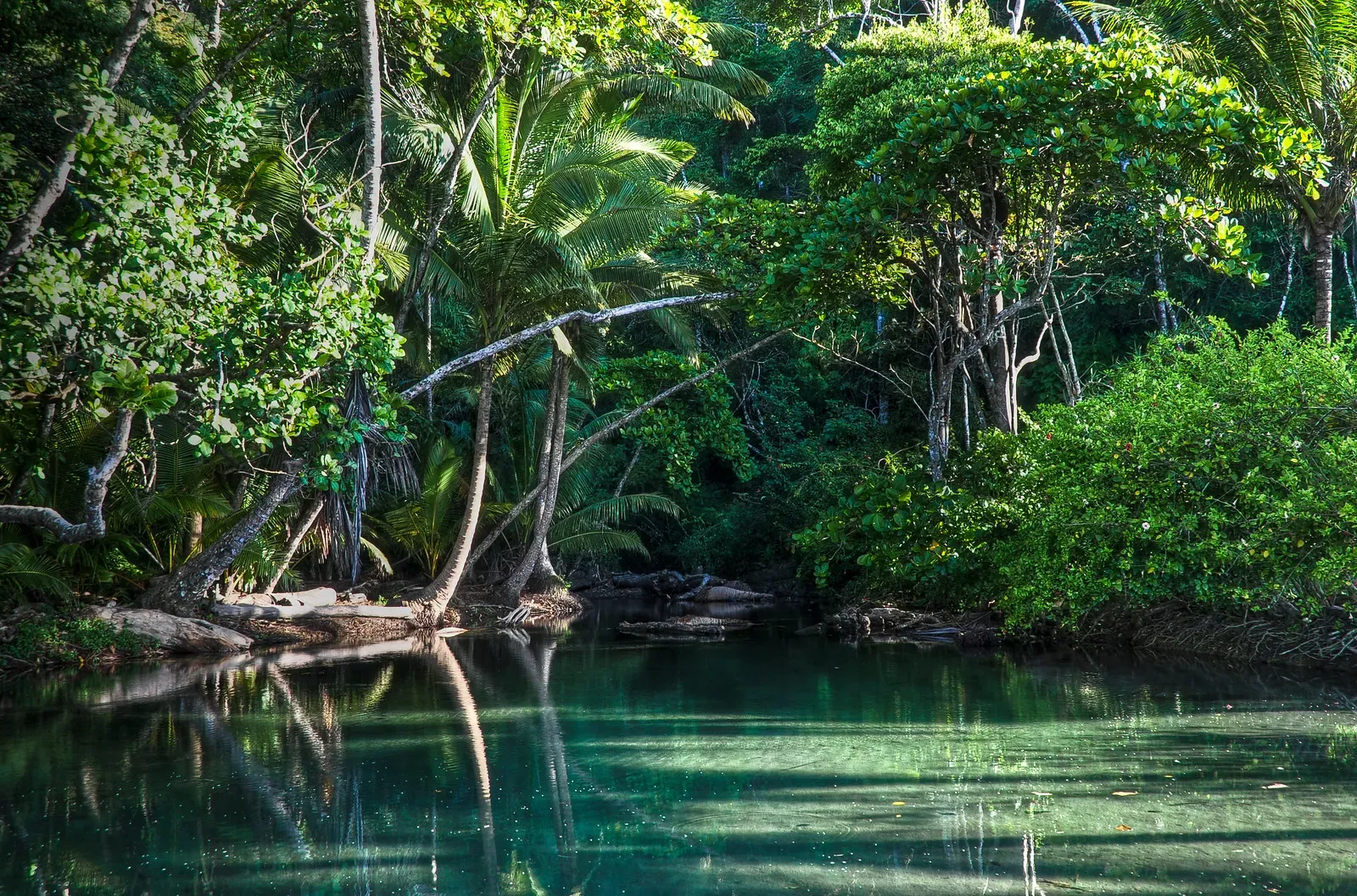
Immerse yourself in the 'Amazon of Costa Rica' with a 2-day overnight tour of Corcovado National Park. These multi-day excursions allow you to explore diverse ecosystems at the Sirena and San Pedrillo stations, with many options including meals and lodging.
 Likely to Sell Out
 Explore the dense wildlife and primary rainforest of Corcovado National Park, Costa Rica's most biodiverse region.
 Likely to Sell Out
 Explore Corcovado’s dual landscapes: the wildlife-rich Sirena station and the 4,000-year-old forest of San Pedrillo.
 Free Cancellation
 Explore the Osa Peninsula's primary rainforests and spot rare wildlife on a guided trek through Corcovado.

Explore the dense wildlife and primary rainforest of Corcovado National Park, Costa Rica's most biodiverse region.
Read what travelers share about their experience visiting Corcovado National Park — from practical tips to personal highlights.
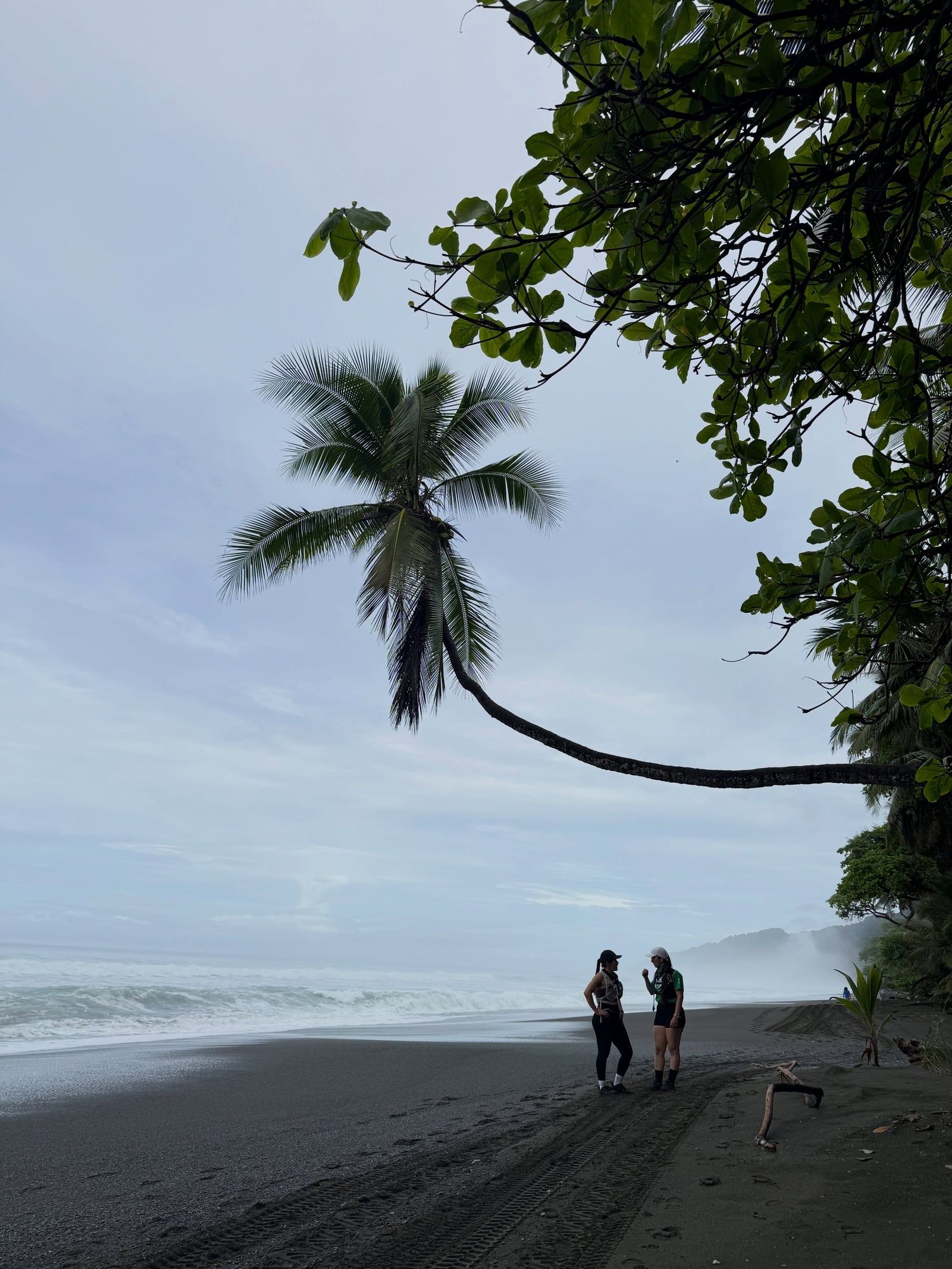
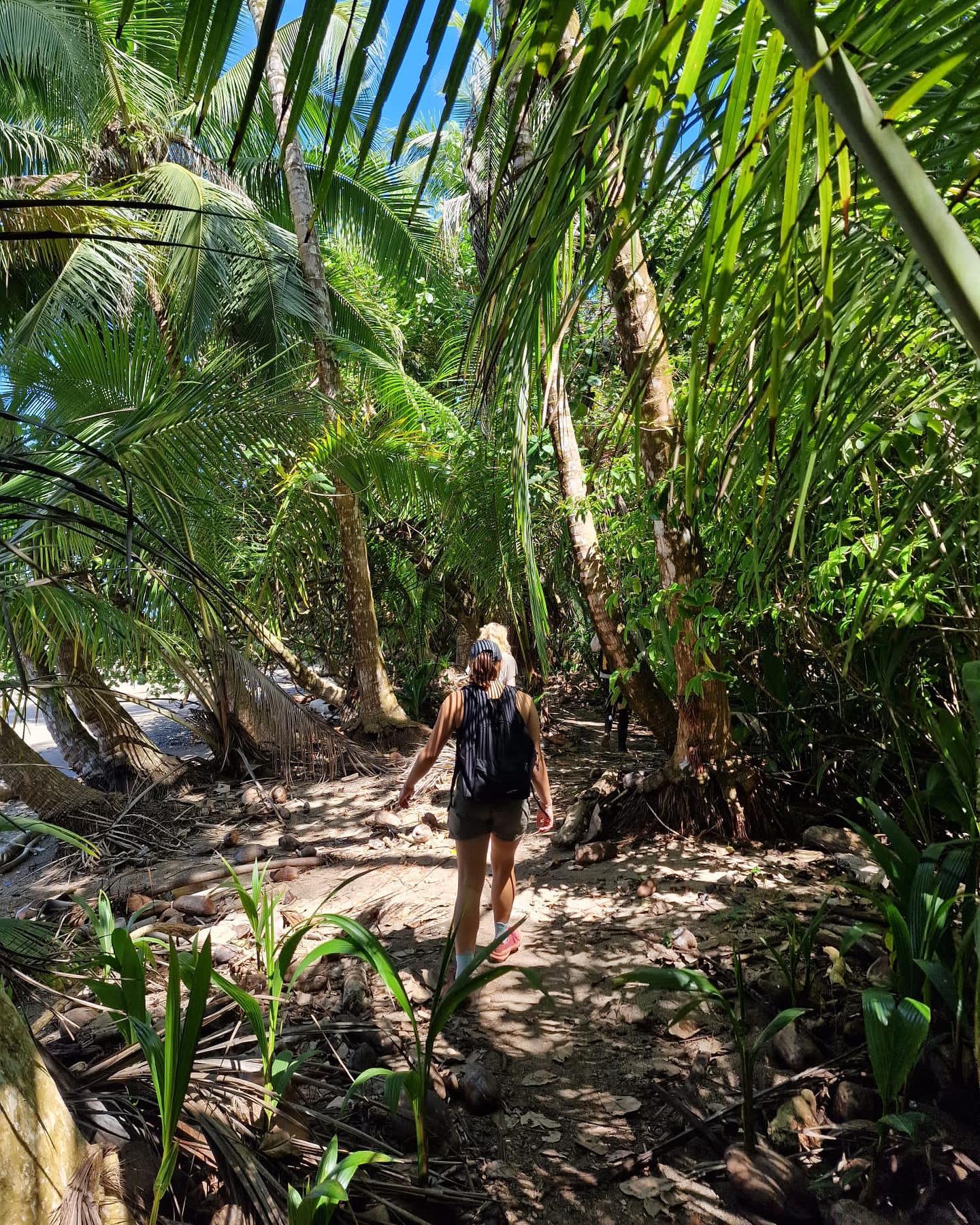
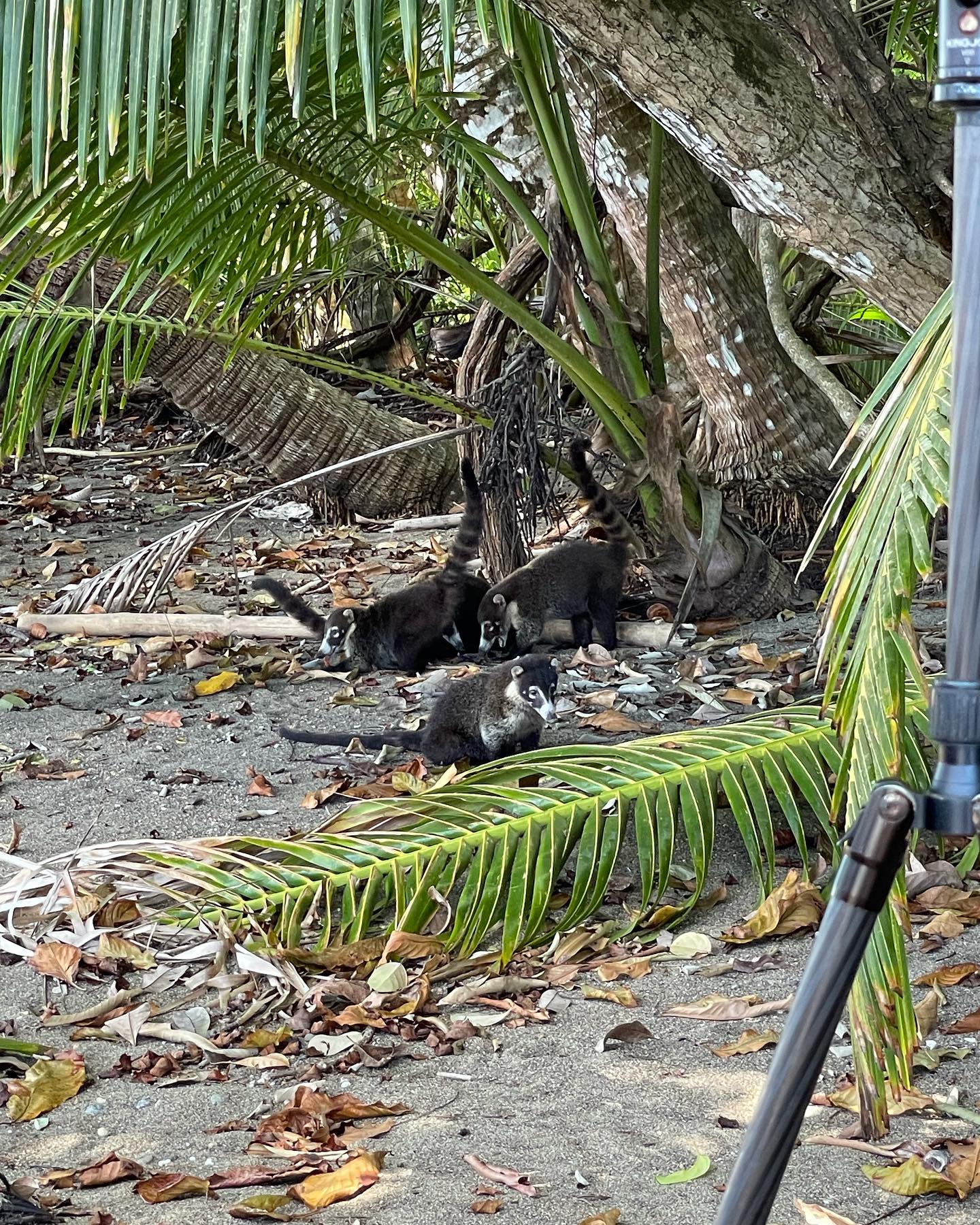
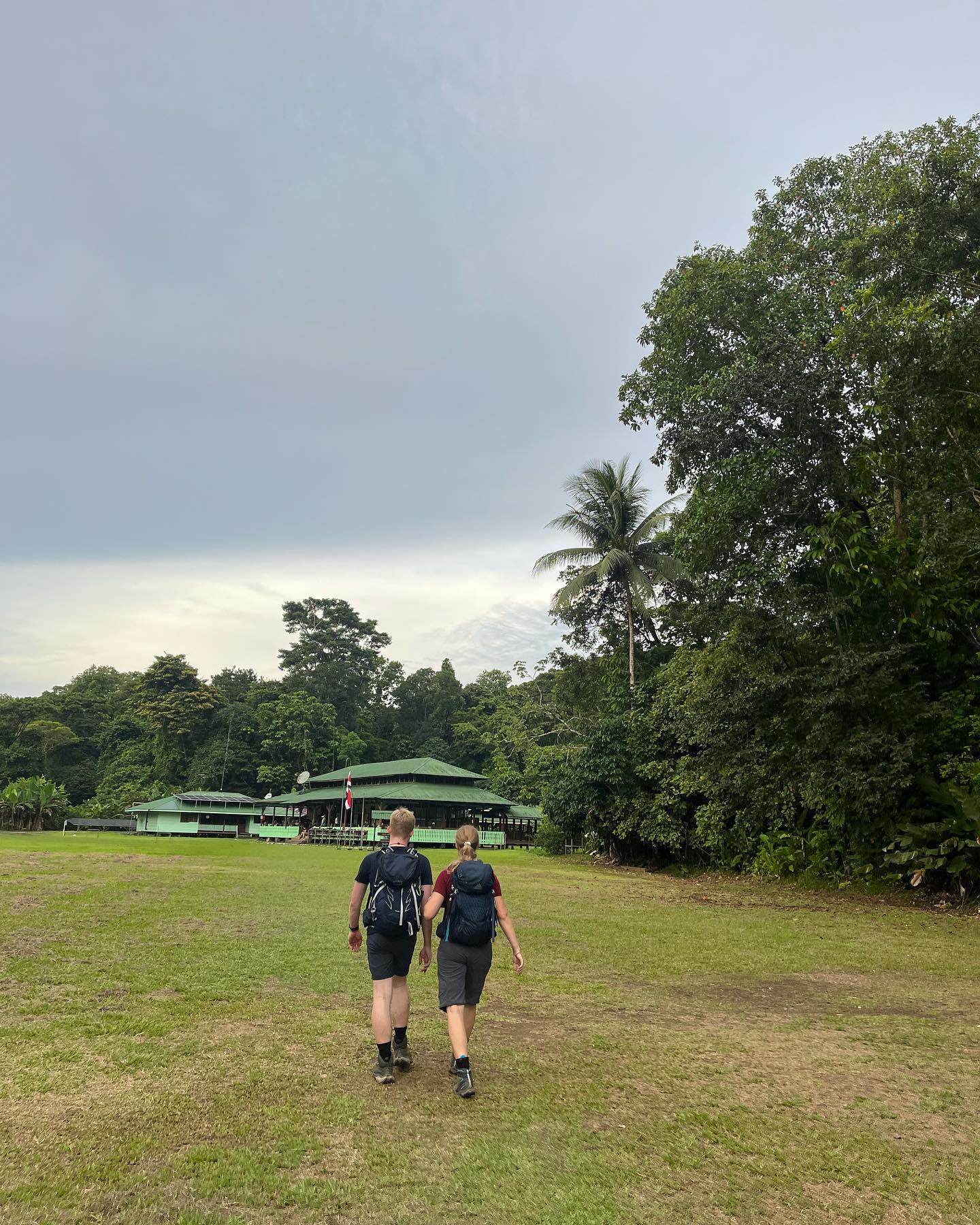
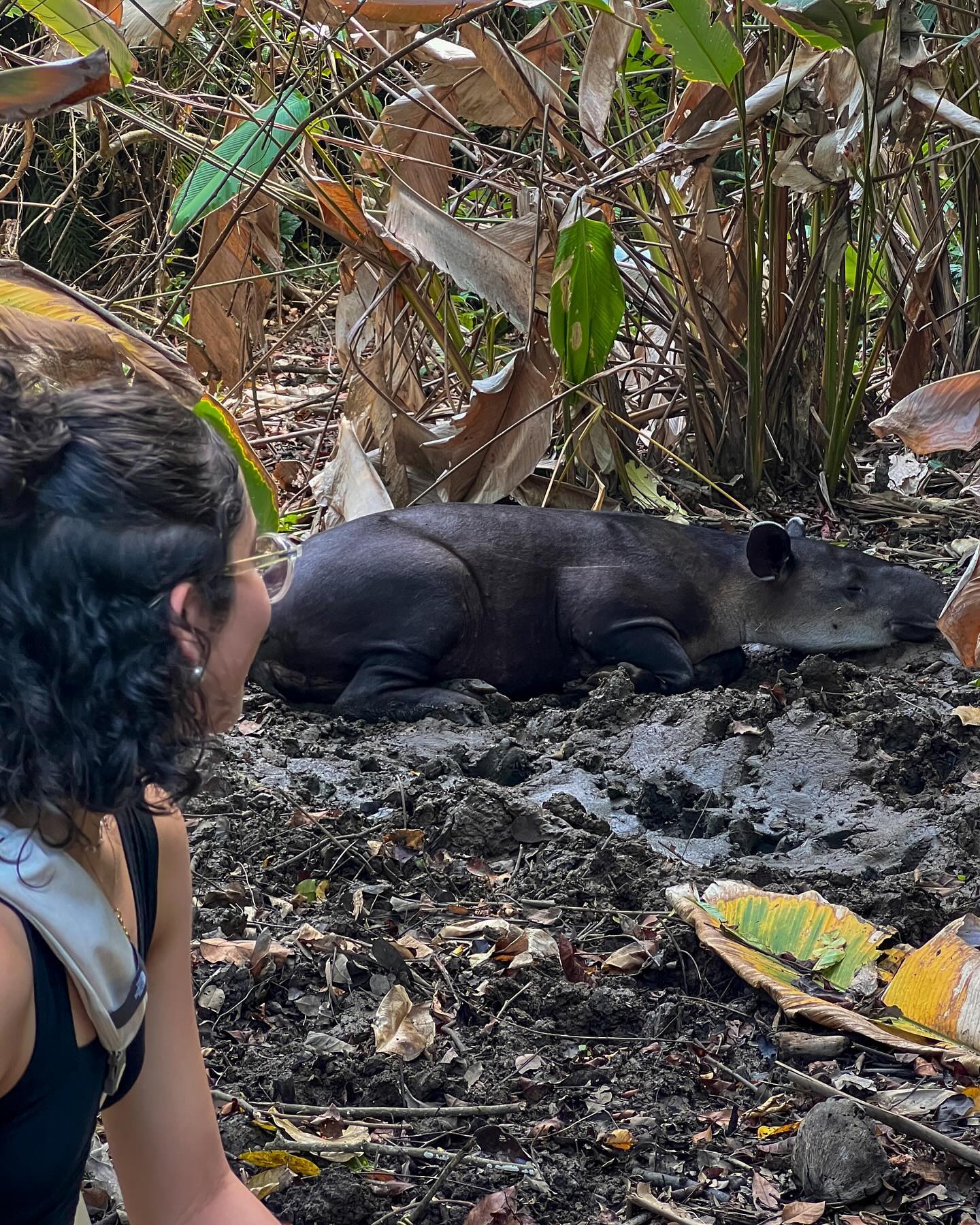
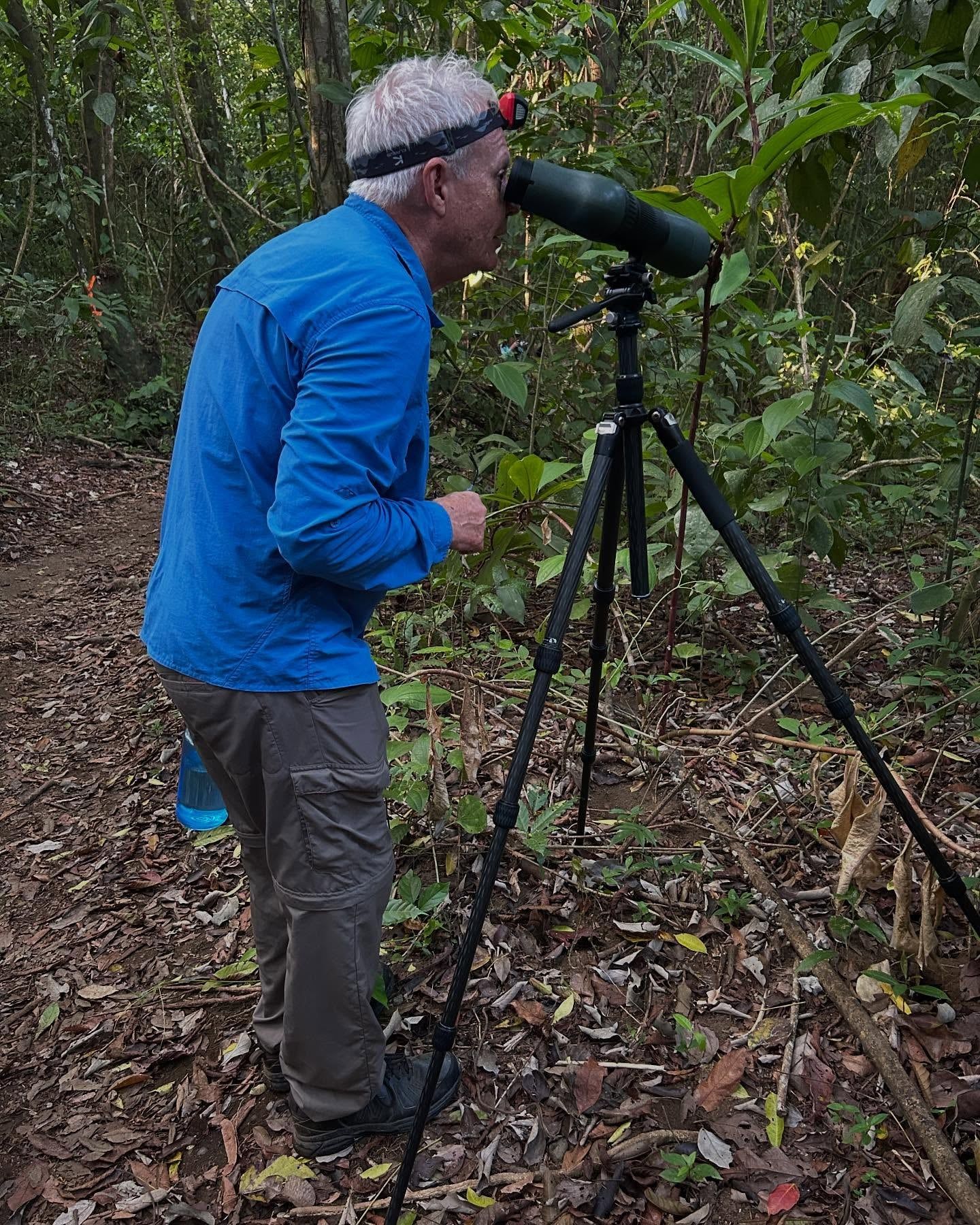
A 2-day overnight tour in Corcovado National Park offers an unparalleled immersion into one of the most biologically intense places on Earth. You will spend your days trekking through primary rainforests and your night sleeping at a remote ranger station surrounded by the sounds of the jungle.
Spot all four of Costa Rica's native monkey species, sloths, and endangered Baird's tapirs grazing right near the grassy airstrip of the ranger station.
Start your adventure with a thrilling boat ride from Drake Bay, featuring exciting wet beach landings and potential dolphin or humpback whale sightings.
Some tours visit this northern sector to hike through old-growth wet forests and swim in crystal-clear natural rock pools hidden deep in the jungle.
Look up into the 200-foot emergent trees to spot vibrant scarlet macaws, rare harpy eagles, and collared aracaris through your guide's spotting scope.
Trek along deserted sandy beaches and navigate necessary river crossings on the rugged, muddy paths connecting the park's remote ranger stations.
Planning an overnight trip to Corcovado requires careful preparation due to strict park regulations, remote conditions, and high demand. Here is what you need to know before booking your 2-day adventure.
Independent hiking is completely illegal in Corcovado. All visitors must be accompanied by a licensed, certified naturalist guide at all times to protect the fragile ecosystem and ensure your safety.
The popular Sirena Ranger Station caps overnight visitors at a strict limit of 100 people per day. Because of this, you must book your tour at least 60 days in advance, especially during the dry season.
Most standard overnight tours (around $365-$400) are fully inclusive, covering your highly coveted park permits, lodging, all meals at the station, and boat transportation. Cheaper private options might only cover the guide and entry tickets.
Bringing outside food, snacks, or single-use plastics into the park is strictly forbidden, and bags are searched upon arrival. You must bring a reusable water bottle and purchase any extra snacks directly at the Sirena Station shop.
You cannot bring large suitcases into the park. Small charter flights and public boats have strict 30-pound luggage limits per passenger, so you will need to leave heavy bags at your gateway hotel and pack only a lightweight daypack.
The trails are unpaved, often muddy, and require wading through rivers in intense tropical heat and humidity. These tours are not recommended for travelers with poor cardiovascular health or spinal injuries.
Because park permits are expensive, non-transferable, and incredibly hard to secure, most overnight tour operators enforce a strict 'all sales are final' policy with no refunds for cancellations.
Swipe to see more
| Overnight from Drake Bay | Overnight from Puerto Jimenez | Sirena & San Pedrillo Combo | |
|---|---|---|---|
| Starting Point | Drake Bay | Puerto Jimenez | Varies (Usually Drake Bay) |
| Price from | $365 | $365 | $399 |
| Key Inclusions | Permits, meals, lodging, guide, boat transport | Permits, meals, lodging, guide | Permits, meals, lodging, multi-station access |
| Best for | Thrilling boat arrivals and marine life spotting | Accessing the park via land or shorter boat rides | Experiencing both secondary forests and pristine waterfalls |
Swipe to see more
Corcovado National Park is open daily from 8:00 AM to 4:00 PM. However, overnight tours operate on a different schedule, often requiring you to meet your guide as early as 5:50 AM to catch the morning boats and maximize your time in the park before the midday heat sets in.
If you are staying overnight at the Sirena Ranger Station, evening activities are restricted. Visitors must remain within the station boundaries after dark unless accompanied by their guide on an authorized night walk.
Reaching the Osa Peninsula requires some planning. Here are the most common routes from San José:
The absolute best time to visit Corcovado National Park is during the dry season, which runs from January to April. February is widely considered the ideal month due to highly stable weather patterns and accessible trails.
Visiting between February and May also aligns with prime whale-watching opportunities on your boat ride into the park.
When to avoid: The green/wet season from May to December brings heavy precipitation. During these months, trails become unrecognizable mud pits, and swollen rivers can make necessary crossings highly dangerous or completely impassable.
Corcovado National Park is highly inaccessible for wheelchair users or those with significant mobility impairments. The terrain consists of rugged, primary rainforest dirt trails with frequent stream and river crossings that require wading.
There are no paved paths, ramps, or specialized wheelchair services anywhere inside the park's interior.
Elderly visitors or those with poor cardiovascular health may find the intense heat, high humidity, and challenging terrain very difficult. While some flat trails exist around Sirena Station, reaching them requires a wet beach landing from a boat.
Facilities inside the national park are extremely basic and designed to minimize environmental impact.
To protect the 2.5% of global biodiversity found here, the park strictly enforces several rules:
Yes, hiring a certified naturalist guide has been strictly mandatory for all visitors since 2014. You cannot enter the park independently or hike unsupervised, as this rule protects the fragile ecosystem and ensures your safety.
Most standard 2-day overnight tour packages (typically costing around $365 to $400) fully include your park permits, guide fees, lodging, and meals. However, always double-check the inclusions, as cheaper 'private guide' listings may require you to buy tickets separately.
No, visitors are strictly prohibited from bringing outside food or snacks into the park, and your bags will be checked upon arrival. You can only bring water in reusable bottles, and any snacks must be purchased and eaten at the Sirena Ranger Station shop.
You should book at least 60 days in advance, especially if traveling during the peak dry season from January to April. The Sirena Ranger Station enforces a strict daily limit of 100 visitors, and permits sell out very rapidly.
Yes. The small charter planes and public boats used to access the park have strict weight limits, typically capping luggage at 30 pounds per passenger. You should leave your main suitcases at your gateway hotel and only bring a lightweight daypack.
Closed-toe shoes or sturdy hiking boots are mandatory for walking the park's rugged trails. Sandals and flip-flops are completely inappropriate for hiking, though you should pack a pair specifically for the wet boat landings and relaxing at the ranger station.
They can be. Swollen rivers like the Rio Sirena pose severe risks due to strong currents, American crocodiles, and bull sharks that enter during high tide. You must always follow your licensed guide's instructions and only cross at designated safe times.
No, bathing or swimming in unauthorized beaches is prohibited. The coastline has extremely strong, unpredictable rip currents and undertows, making swimming highly dangerous unless your guide explicitly directs you to a safe area.
Because overnight permits are expensive, non-transferable, and must be secured well in advance, most tour operators have a strict 'all sales are final' policy. Refunds are generally not available for cancellations.
The best time is during the dry season from January to April, with February being particularly ideal for stable weather. From May to December, heavy rains make the trails incredibly muddy and river crossings potentially impassable.
Browse verified tours with free cancellation and instant confirmation.
Find Tours


Often referred to as the 'Amazon of Costa Rica,' Corcovado National Park is a primary rainforest known for its intense biodiversity. It is a frequent destination for National Geographic researchers and photographers due to the high density of rare wildlife found within its borders. Because the park spans such a vast area, a multi-day approach is recommended to truly experience the depth of the jungle. During your time here, you will navigate through ancient trees and coastal trails where sightings of tapirs, scarlet macaws, and all four of the country’s monkey species are common. This tour prioritizes authentic wildlife observation, providing ample time to witness these animals in their natural environment without the rush of a standard day trip.
All sales are final. No refund is available for cancellations.
English, Spanish


This tour visits two distinct areas of Corcovado National Park: Sirena and San Pedrillo. Each station offers a different perspective on the park's ecosystems. At Sirena, you will explore a 47-year-old secondary forest that is actively regenerating after being cleared decades ago. This area is one of the most reliable spots for observing local wildlife in their natural habitat. The second half of the trip takes you to San Pedrillo, home to ancient primary rainforest. Unlike the younger growth at Sirena, this is a virgin ecosystem that has remained undisturbed for over 4,000 years. Visiting both locations provides a complete look at the park’s history, from its recovery efforts to its oldest protected landscapes.
All sales are final. No refund is available for cancellations.
English, Spanish


Located in Costa Rica’s Osa Peninsula, Corcovado National Park protects the largest primary forest on the American Pacific coast. It contains 13 distinct ecosystems and roughly 2.5% of global biodiversity, making it a critical habitat for endangered species like the Baird’s tapir, scarlet macaw, and white-lipped peccary. To protect this environment, visitors are required to enter with a certified local guide. Tours range from single-day excursions at stations like San Pedrillo or Dos Brazos to multi-day stays at the Sirena Biological Station for up to four nights. Accessing the heart of the park at Sirena can be done by foot or boat. The 20km hike from La Leona involves beach walking and river crossings, typically taking 7-9 hours. For experienced hikers during the dry season, the 24km Los Patos trail offers an 8-10 hour trek through dense primary forest. Alternatively, boat transfers provide a more accessible route for families or those with limited time; departures from Drake Bay take about an hour, while the 1.5-hour boat ride from Puerto Jimenez is available daily.
For a full refund, cancel at least 24 hours before the scheduled departure time.
English, Spanish


Corcovado National Park is widely considered the most biodiverse region in Costa Rica. Often compared to the Amazon, this massive stretch of primary rainforest houses an incredible variety of plants and animals. While many visitors try to see the park in a single day, the sheer scale of the landscape means a longer stay is necessary to truly experience its remote interior. The park’s reputation draws scientists and photographers from around the world, including teams from National Geographic. Walking through the jungle provides constant opportunities to spot wildlife in their natural environment. From rare birds to large mammals, the density of the ecosystem ensures that every trail offers something new for those looking to explore Costa Rica's wilder side.
All sales are final. No refund is available for cancellations.
English, Spanish