About All Tours2-Day Overnight ToursFrom Drake Bay ToursFrom Puerto Jimenez ToursSirena Station ToursFrom Uvita ToursPrivate Tours Directions Hours & Fees
Find Tours 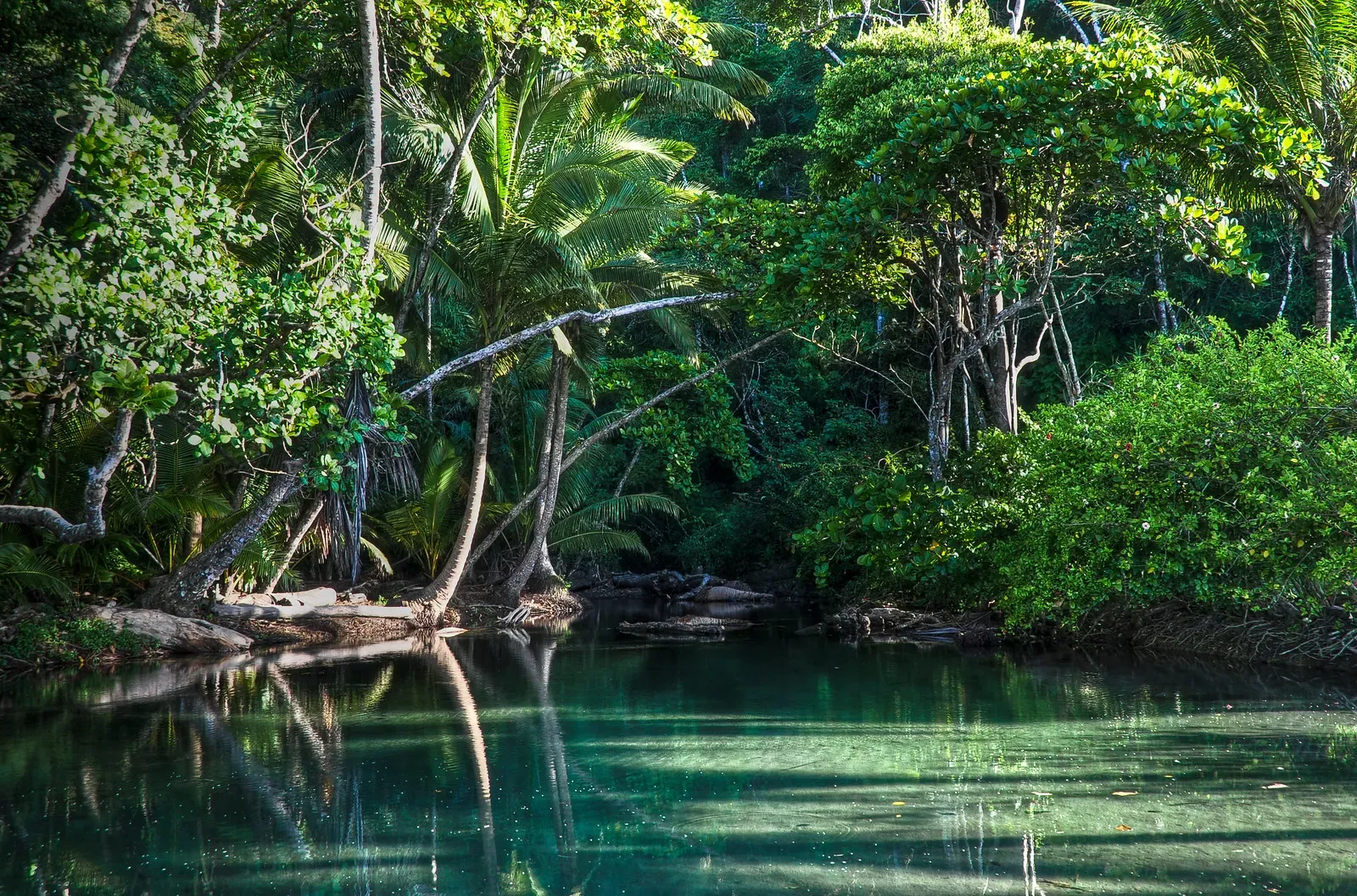
Explore the wildlife-dense Sirena Station in Corcovado National Park with guided day trips and overnight expeditions. These tours typically include boat transportation, park fees, and certified local guides equipped with spotting scopes to help you observe rare species.

Take a scenic boat ride to Corcovado's Sirena station for a guided hike to spot tapirs, monkeys, and rare wildlife.
 Likely to Sell Out
 Go deep into the Osa Peninsula to explore the rainforests and rare wildlife of Corcovado National Park.
 Likely to Sell Out
 Explore Corcovado’s contrast: the wildlife of regenerating Sirena and the 4,000-year-old primary forest of San Pedrillo.

Take a boat from Puerto Jiménez to explore Corcovado's remote Sirena Station with a local guide and a small group.

Immerse yourself in the raw wilderness of Corcovado National Park, Costa Rica’s premier wildlife destination.

Explore Corcovado’s Sirena station to spot tapirs, sloths, and seasonal whales in the world's most intense jungle.

A boat-based expedition to Sirena Station in Corcovado, featuring deep rainforest hiking and rare wildlife sightings.

Hike Sirena Ranger Station with an expert naturalist in a small group limited to six people for better wildlife viewing.
 Free Cancellation
 Explore Corcovado's Sirena sector on a guided day hike through remote rainforest to spot rare Costa Rican wildlife.

A deep-forest journey through Corcovado’s Sirena station to spot tapirs and monkeys with expert local guides.
Read what travelers share about their experience visiting Corcovado National Park — from practical tips to personal highlights.
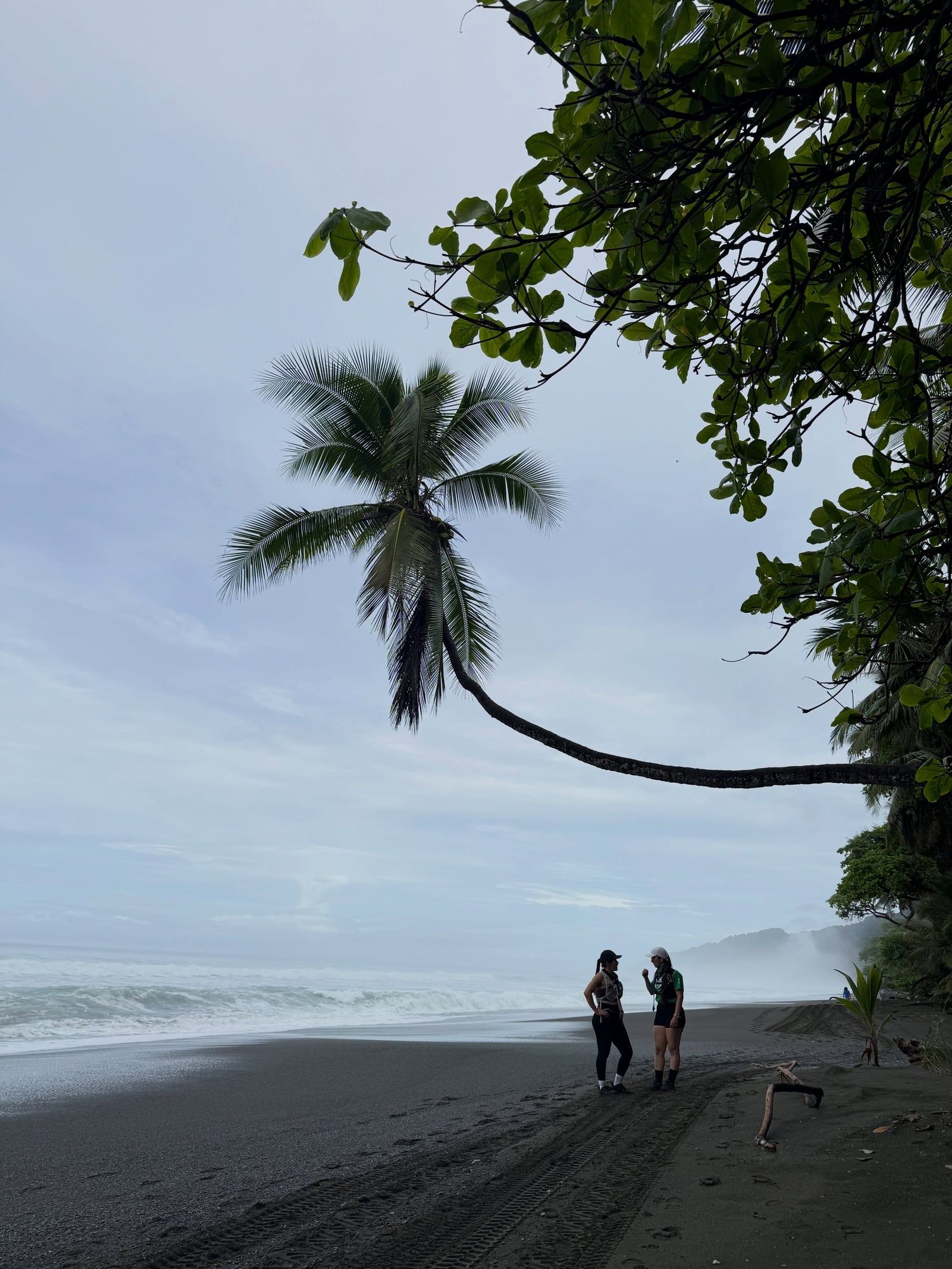
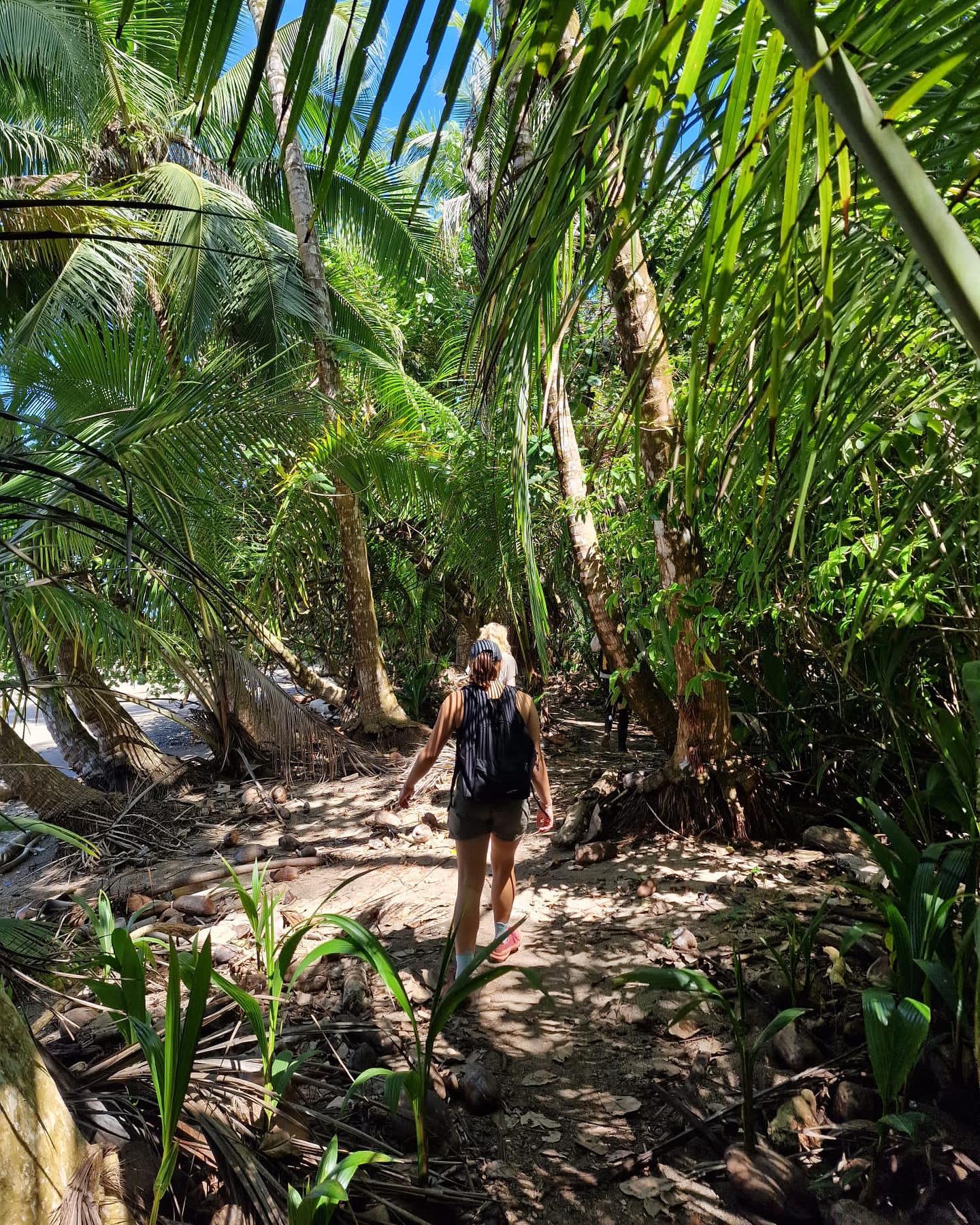
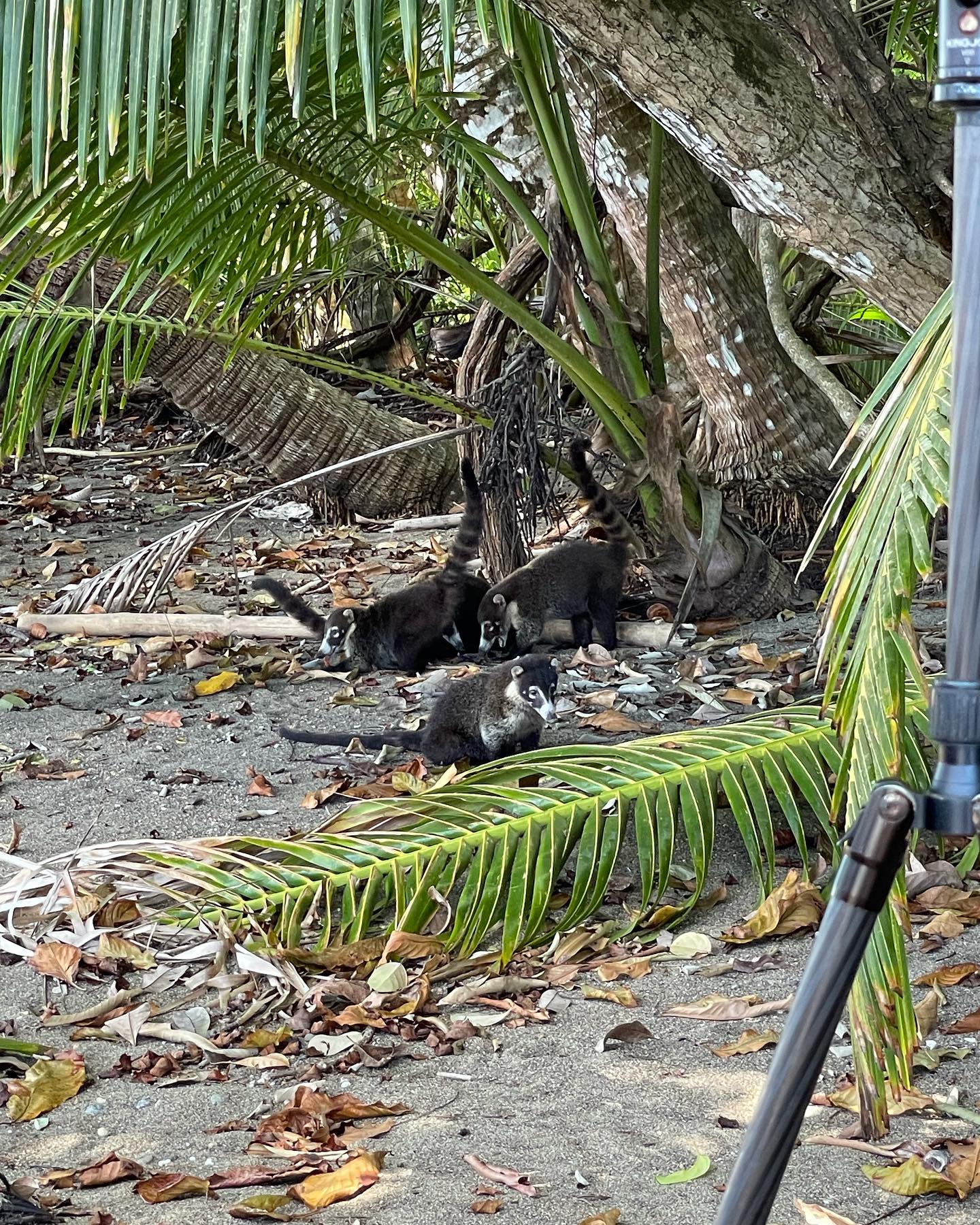
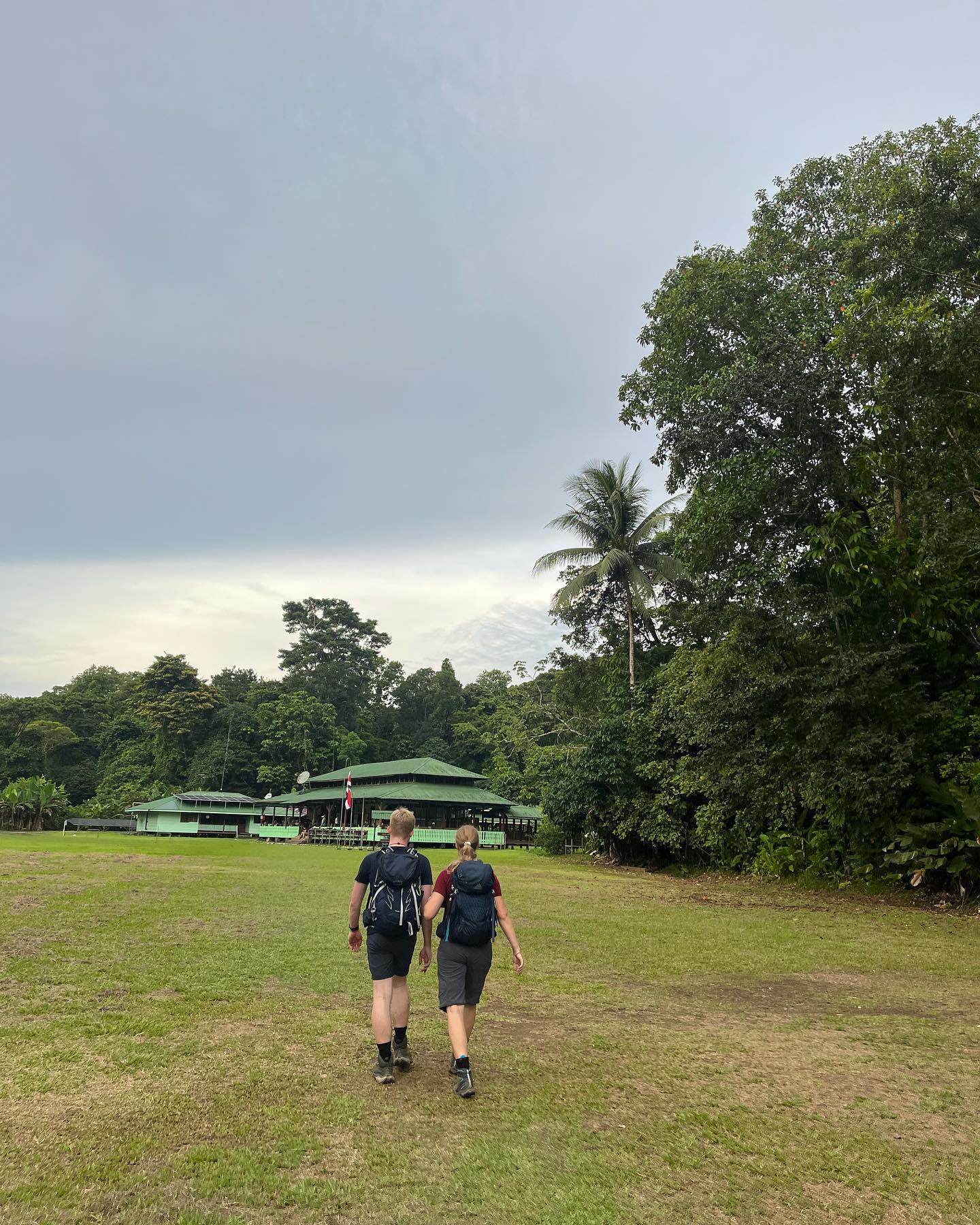
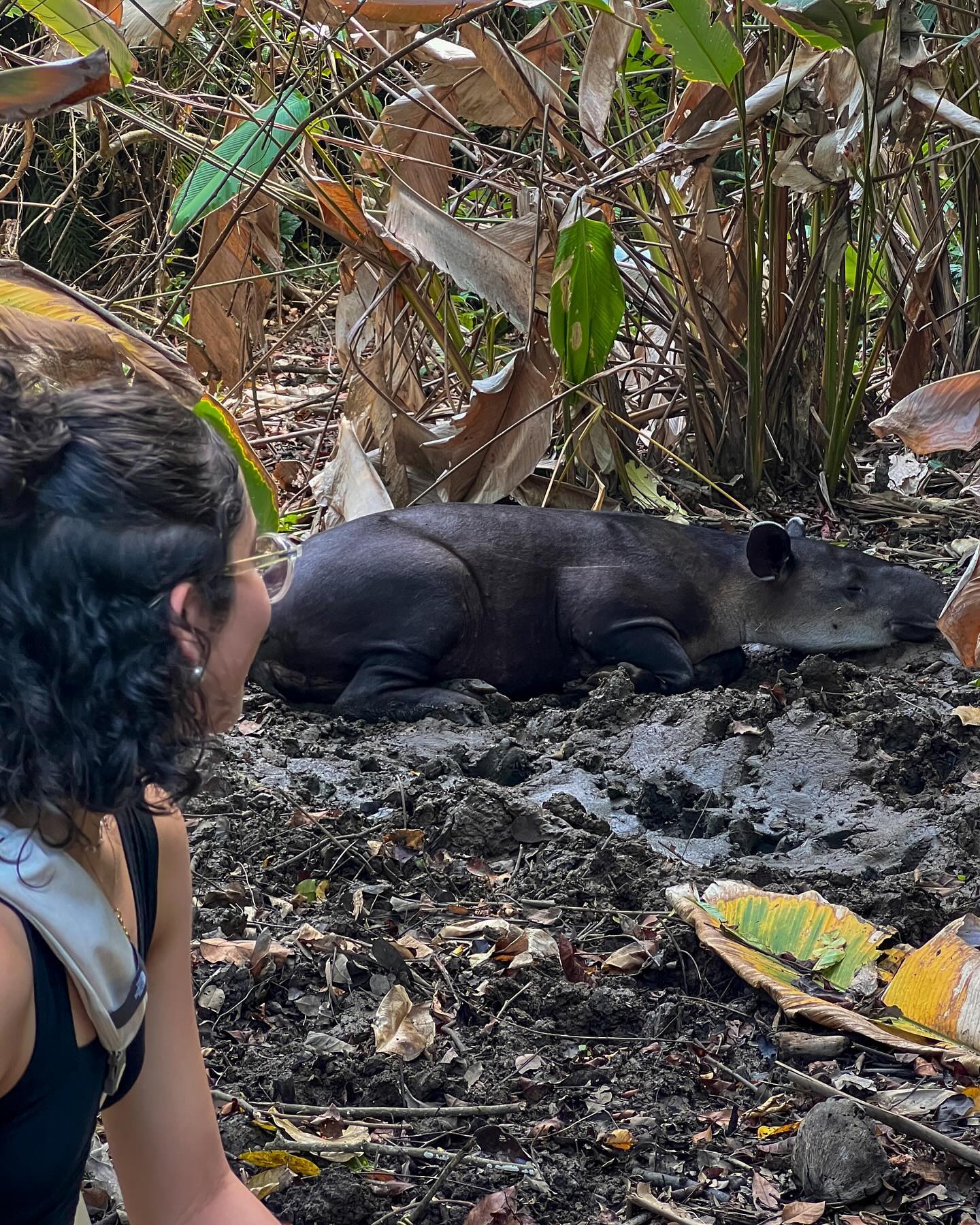
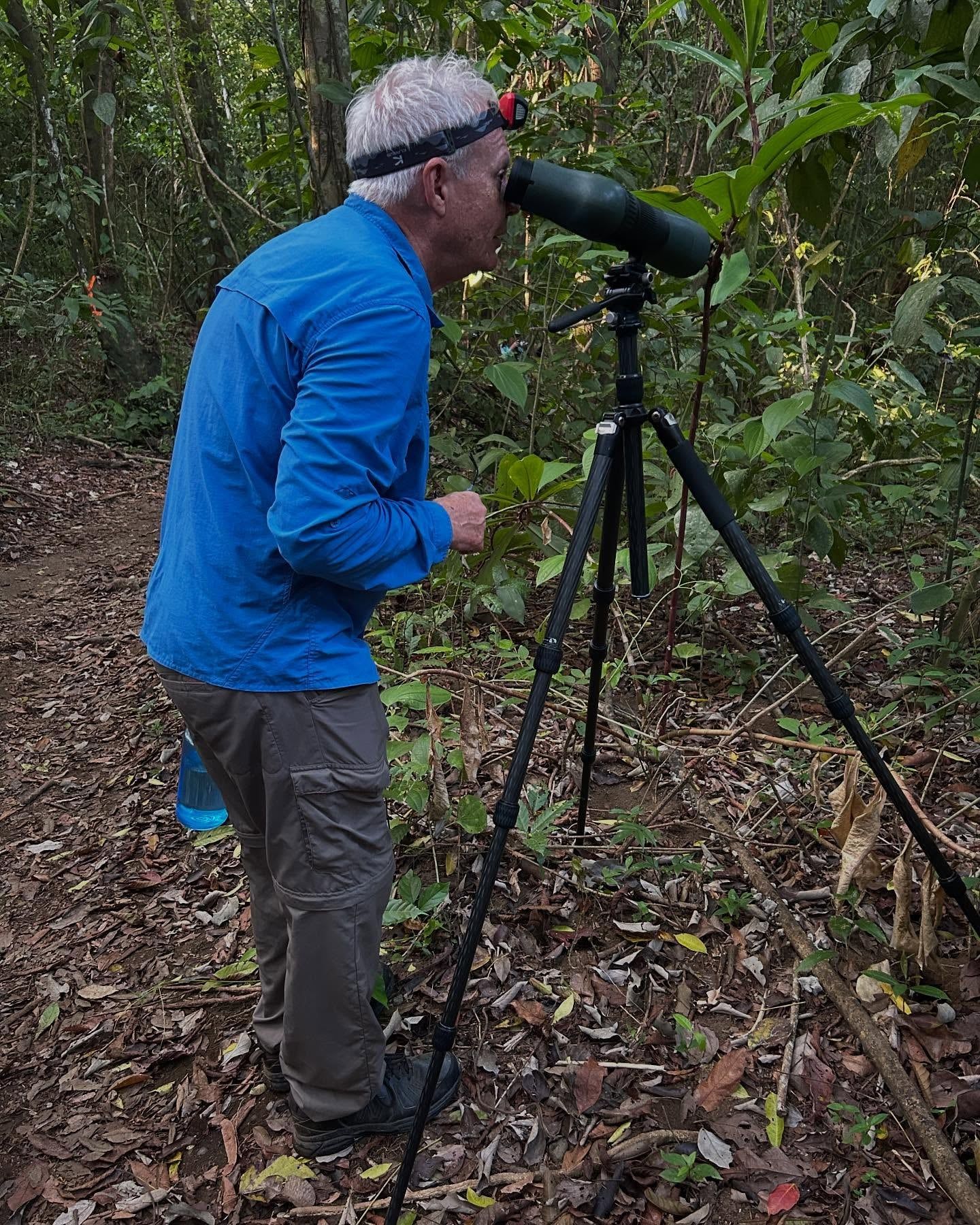
Visiting the Sirena Station in Corcovado National Park offers an unparalleled plunge into one of the most biologically intense places on Earth. Most tours begin with a thrilling boat ride along the Osa Peninsula coastline, followed by a wet beach landing and guided hikes through dense, primary rainforest teeming with rare wildlife.
Sirena Station is famous for its high concentration of animals. You have a high chance of spotting endangered Baird's tapirs grazing near the airstrip, along with sloths, anteaters, and all four of Costa Rica's native monkey species.
Accessing Sirena usually requires a 45 to 60-minute boat ride from Drake Bay or Puerto Jiménez. Expect incredible coastal views, potential dolphin sightings, and an exciting wet landing on the beach.
Hike through ancient, old-growth tropical wet forests. You will navigate rugged dirt trails, cross shallow rivers, and walk beneath massive emergent canopy trees reaching over 200 feet tall.
With over 400 bird species recorded in the park, your guide will help you spot vibrant scarlet macaws, collared aracaris, and potentially the rare harpy eagle hiding high in the canopy.
The Sirena Ranger Station serves as the remote hub for all visitors. It offers a safe resting area, the only authorized spot to purchase and eat food, and basic dormitory lodging for overnight guests.
Because Corcovado is highly protected and extremely remote, planning your Sirena Station tour requires careful attention to park rules and strict booking timelines.
You cannot hike in Corcovado National Park independently. Since 2014, all visitors must be accompanied by a licensed, certified naturalist guide at all times to ensure safety and protect the ecosystem.
Sirena Station enforces a strict maximum quota of 100 visitors per day. Because of this, permits sell out incredibly fast. You must book your tour at least 60 days in advance, especially if visiting during the dry season from January to April.
Most operators offer 8 to 9-hour full-day trips departing from Drake Bay or Puerto Jiménez. For a deeper immersion, 2-day/1-night overnight tours are available, which include basic dormitory lodging and meals at the ranger station.
The vast majority of guided tours include your mandatory park entrance permits, round-trip boat transportation, a certified guide, and lunch. Overnight tours will also bundle in your lodging, dinner, and breakfast.
Bringing outside food or snacks into the park is strictly illegal, and your bags will be searched upon arrival. You can only bring water in reusable bottles. Any food must be purchased and eaten exclusively at the Sirena Station shop.
Tours require a moderate physical fitness level. You will face intense tropical heat, high humidity, muddy trails, and river crossings. These tours are not recommended for pregnant travelers or those with spinal or cardiovascular issues.
If you are taking a domestic flight to the Osa Peninsula (like Sansa), there is a strict 30-pound luggage limit. Furthermore, boats to the park have limited space. Leave heavy suitcases at your gateway hotel and bring only a lightweight daypack.
Due to the strict and non-refundable nature of government park permits, almost all tour operators enforce an 'all sales final' policy. Cancellations or date changes generally do not qualify for a refund once booked.
Swipe to see more
| Sirena Day Tour from Drake Bay | Sirena Day Tour from Puerto Jiménez | Overnight Sirena Station Tour | Private Sirena Day Tour | |
|---|---|---|---|---|
| Duration | 8-9 hours | 8-9 hours | 2 Days / 1 Night | 8 hours |
| Best for | Quick wildlife highlights & travelers based in the north | Travelers based in the south peninsula | Deep jungle immersion & early morning wildlife activity | Photographers & families wanting personalized pacing |
| Inclusions | Boat transport, guide, lunch, park fees | Boat transport, guide, lunch, park fees, reusable water bottle | Lodging, all meals, guide, boat transport, park fees | Private guide, boat transport, lunch, park fees, spotting scope |
| Price from | $110 USD | $140 USD | $365 USD | $220 USD |
Swipe to see more
Corcovado National Park is open daily from 8:00 AM to 4:00 PM.
Because the park is only accessible during daylight hours and the midday heat can be oppressive, tours generally depart very early in the morning (often between 5:30 AM and 6:30 AM). Arriving as early as possible maximizes your time on the trails and significantly increases your chances of spotting active wildlife before they seek shade in the afternoon.
Reaching Corcovado requires some planning, as it is located on the remote Osa Peninsula. The main gateways are Drake Bay and Puerto Jiménez.
Once at your gateway town, your tour operator will handle the final 1-hour boat ride directly to the Sirena Station beach.
The optimal time to visit Corcovado National Park is during the dry season, which runs from January to April.
During these months, the park experiences the least amount of rainfall, making the rugged trails highly accessible and river crossings much safer. February is widely considered the best month due to highly stable weather patterns. Visiting between February and May also gives you a great chance to spot humpback whales during your boat ride to the park.
Avoid the wet season (May to December) if possible. Heavy rains turn trails into deep mud, and swollen rivers can become completely impassable or highly dangerous due to strong currents.
Corcovado National Park is highly inaccessible for wheelchair users and those with severe mobility impairments.
The environment consists of primary rainforest with basic, rugged dirt trails. There are no paved paths, ramps, or specialized mobility services. Furthermore, arriving at the park requires a "wet landing," meaning you must jump out of a boat into shallow ocean water and wade onto the beach.
Elderly visitors or those with cardiovascular issues may struggle with the intense heat, high humidity, and physical demands of the trails. The park is best suited for fit adults and older children. Families with younger children must maintain close supervision due to hazardous river crossings and wildlife.
Tourist facilities inside Corcovado are extremely limited to minimize environmental impact. The Sirena Ranger Station is the only sector with notable infrastructure.
Outside of the station itself, there are no facilities. You must carry all the water you will need for your hike (at least 2 liters per person is recommended).
To protect its 2.5% share of global biodiversity, Corcovado enforces strict regulations that are actively monitored by park rangers:
Yes. Since 2014, it has been strictly mandatory for all visitors to be accompanied by a licensed, certified naturalist guide. You cannot enter the park or hike the trails independently.
Most guided tours on Viator include the $15 USD daily park entrance fee in the final price. However, always check the 'Inclusions' section of your specific tour to be absolutely sure.
No, bringing outside food into Corcovado is strictly prohibited to protect the wildlife, and rangers will check your bags upon arrival. You can only eat food provided by your tour or purchased at the Sirena Station shop.
You should book at least 60 days in advance, especially during the dry season (January to April). The government enforces a strict limit of 100 visitors per day at Sirena, and permits sell out very quickly.
You must bring two types of footwear: water shoes or sandals for the wet boat landing on the beach, and sturdy, closed-toe hiking boots or trail shoes for walking in the jungle. Sandals are not allowed on the hiking trails.
Unless you are doing a massive multi-day hike, you will reach Sirena Station via a 45 to 60-minute boat ride departing from either Drake Bay or Puerto Jiménez. The boat ride ends with a wet landing directly onto the beach.
Sirena Station is famous for its tapir population, and you have a very high chance of seeing them grazing near the airstrip. Jaguars, however, are incredibly elusive and rare, so spotting one is highly unlikely.
Yes, overnight stays are permitted at the Sirena Ranger Station, which offers basic dormitory beds and meals. You must book a specific 2-day/1-night tour package to secure the overnight permits and lodging.
The park's intense heat, high humidity, muddy trails, and river crossings make it challenging. It is best suited for physically fit adults and older children. It is not recommended for those with cardiovascular issues or mobility limitations.
No, single-use plastic bottles are strictly banned inside the national park. You must bring a reusable water bottle (aluminum or hard plastic) and fill it with at least 1.5 to 2 liters of water for your hike.
Browse verified tours with free cancellation and instant confirmation.
Find Tours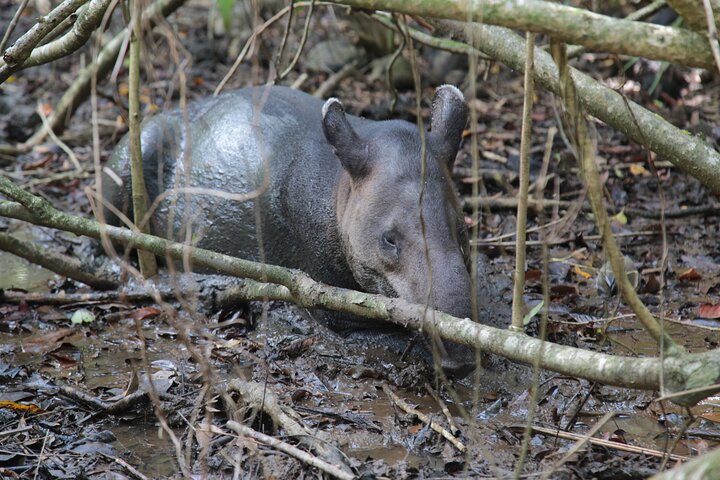

The journey to Corcovado National Park begins with a one-hour boat ride along the South Pacific coastline. This scenic trip follows the shore, providing views of the remote landscape before arriving at Sirena Station, located deep within the rainforest. Once on land, a guide will lead you on a hike through the park's primary forest. This area is one of the best places in Costa Rica to see large mammals in the wild, including tapirs, peccaries, and several species of monkeys. The terrain is raw and remote, offering a direct look at the region's biodiversity. Your tour includes boat transportation, park entrance fees, a professional guide, and lunch. It is designed for those looking for a challenging and immersive day in the country's most significant wilderness area.
All sales are final. No refund is available for cancellations.
English, Spanish


Corcovado National Park is often called the "Amazon of Costa Rica" because of its high concentration of wildlife. A single day trip rarely does justice to the park's size and variety, making an extended stay the best way to see its remote corners. The area is a well-known hub for National Geographic scientists and photographers who come to document one of the most biologically diverse places on Earth. As you move through the jungle, you will likely encounter species rarely seen elsewhere, such as tapirs, monkeys, and scarlet macaws. The trails lead through primary rainforest and along rugged coastlines, offering a direct look at the animals in their natural habitat. This tour is built for those who want a practical, in-depth look at the Osa Peninsula’s wilderness.
All sales are final. No refund is available for cancellations.
English, Spanish


This tour visits two distinct sectors of Corcovado National Park to showcase the region's ecological diversity. We start at Sirena Station, an area renowned for its high concentration of wildlife. The forest here is 47 years into a natural regeneration process after being previously cleared, offering a close look at how the ecosystem recovers and supports local fauna. In contrast, the visit to San Pedrillo Station takes you into a primary rainforest that has remained untouched for over 4,000 years. Walking through this ancient landscape allows you to experience a virgin ecosystem characterized by massive trees and the deep, quiet energy of a forest that has never been disturbed by human activity.
All sales are final. No refund is available for cancellations.
English, Spanish


This day trip starts with a boat ride from Puerto Jiménez to Sirena Station, located in the heart of Corcovado National Park. Led by a certified local guide, you will explore the primary rainforest via a network of inland trails. Sirena is one of the most remote sections of the park, offering a better chance to see wildlife away from the more accessible coastal areas. During the hike, you’ll look for Baird’s tapirs, four species of monkeys, sloths, and birds such as scarlet macaws and toucans. To ensure a quiet environment for wildlife watching and a more personalized pace, we keep our groups small with a maximum of six participants per guide. The tour focuses on observing these animals in their natural habitat while learning about the complex ecosystem of the Osa Peninsula.
All sales are final. No refund is available for cancellations.
English, French, Spanish


Corcovado National Park is widely considered the crown jewel of Costa Rica’s natural heritage. This tour takes you deep into one of the most biologically diverse places on Earth, moving beyond the standard tourist trails to experience the rainforest in its most authentic state. Expect an immersive journey where the sounds of the jungle replace the noise of the city. You’ll be surrounded by primary rainforest and a vast array of wildlife, from tapirs and scarlet macaws to several species of monkeys. This is an active experience designed for those who want to see the wild side of the Osa Peninsula up close.
All sales are final. No refund is available for cancellations.
English, Spanish


The Sirena sector of Corcovado National Park is widely considered the best location in Costa Rica for spotting rare wildlife in their natural habitat. As you trek through the dense jungle, you have the chance to see tapirs, peccaries, coatis, and sloths, as well as crocodiles and a diverse array of tropical birds. Your wildlife experience begins on the water during the boat ride to the park. Depending on the time of year, you may see dolphins jumping in the wake. If you visit between August and mid-October, there is also a high probability of spotting humpback whales during their annual migration through these waters.
All sales are final. No refund is available for cancellations.
English, Spanish


The tour to Sirena Station starts with a one-hour boat ride along the South Pacific coastline. Corcovado is the most remote and rugged park in Costa Rica, providing a deep-forest experience that is significantly more wild than other regions. The boat ride itself offers scenic views of the shoreline before arriving at the station. On the ground, you will spend the day hiking through the rainforest with a professional guide. This specific area is known for sightings of tapirs, monkeys, and peccaries. The package is all-inclusive, covering your transportation, park entrance fees, the guided tour, and lunch.
All sales are final. No refund is available for cancellations.
English, Spanish


Explore the Sirena Ranger Station in Corcovado National Park on a four-hour guided hike led by the Corcovado Info Center. To ensure a better experience and minimize our impact on the environment, we limit groups to a maximum of six people per naturalist guide. Moving in smaller numbers allows us to walk quietly through the forest, significantly increasing the likelihood of spotting animals in their natural surroundings. Our guides are specialists in local flora and fauna, helping you identify monkeys, peccaries, reptiles, and exotic bird species. While every sighting depends on the day's conditions, this area is well-known for sightings of the Baird’s tapir. The tour includes a lunch break at the ranger station before finishing the day's adventure. We also offer custom arrangements for larger families or travel groups who wish to stay together.
All sales are final. No refund is available for cancellations.
English, Spanish


This day trip takes you into the Sirena sector, the most active wildlife area within Corcovado National Park. Because of its remote location and specific forest type, Sirena provides an excellent chance to see species like tapirs, several types of monkeys, and exotic birds in a single outing. You will spend the day traversing the park’s trail system with a professional guide. Throughout the hike, your guide will help you spot camouflaged animals and explain the natural history of the Osa Peninsula. The tour is designed for those who want to see as much of the park's interior as possible in one day, focusing on direct observation and clear information about the local ecosystem.
For a full refund, cancel at least 24 hours before the scheduled departure time.
English, Spanish


This day trip heads straight to the Sirena Biological Station, the most remote and wildlife-dense area of Corcovado National Park. After a boat ride to the station’s landing point, you’ll spend the day hiking through primary rainforest and along coastal trails where the jungle meets the sea. Sirena is widely considered the best spot in Costa Rica for seeing rare animals in their natural habitat. On a typical walk, you might encounter Baird’s tapirs, four species of monkeys, coatis, and sloths, alongside scarlet macaws and toucans. Our local guides lead these walks in small groups, sharing their knowledge of the forest while ensuring a quiet, unobtrusive presence around the wildlife.
All sales are final. No refund is available for cancellations.
English, Spanish